
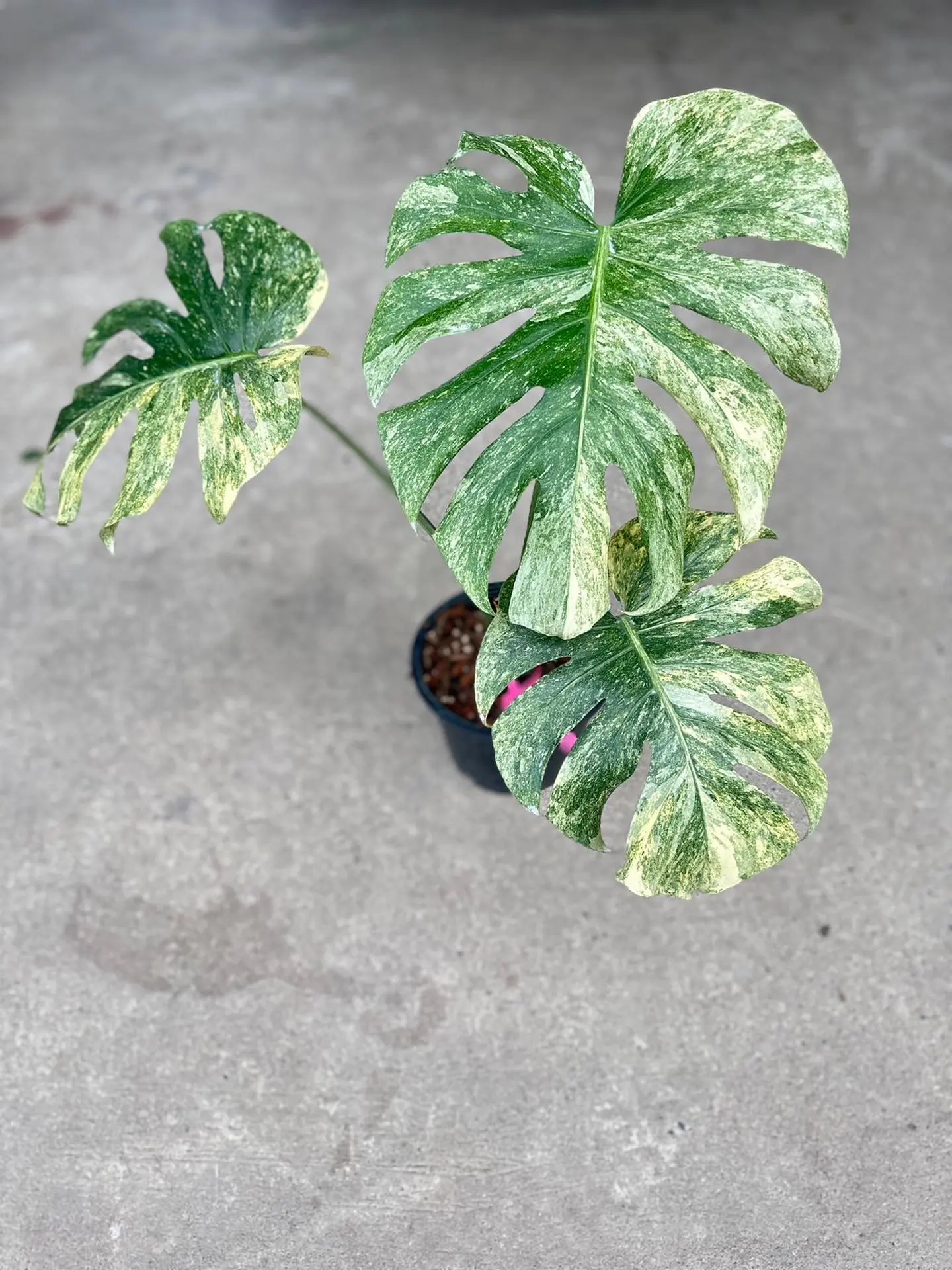
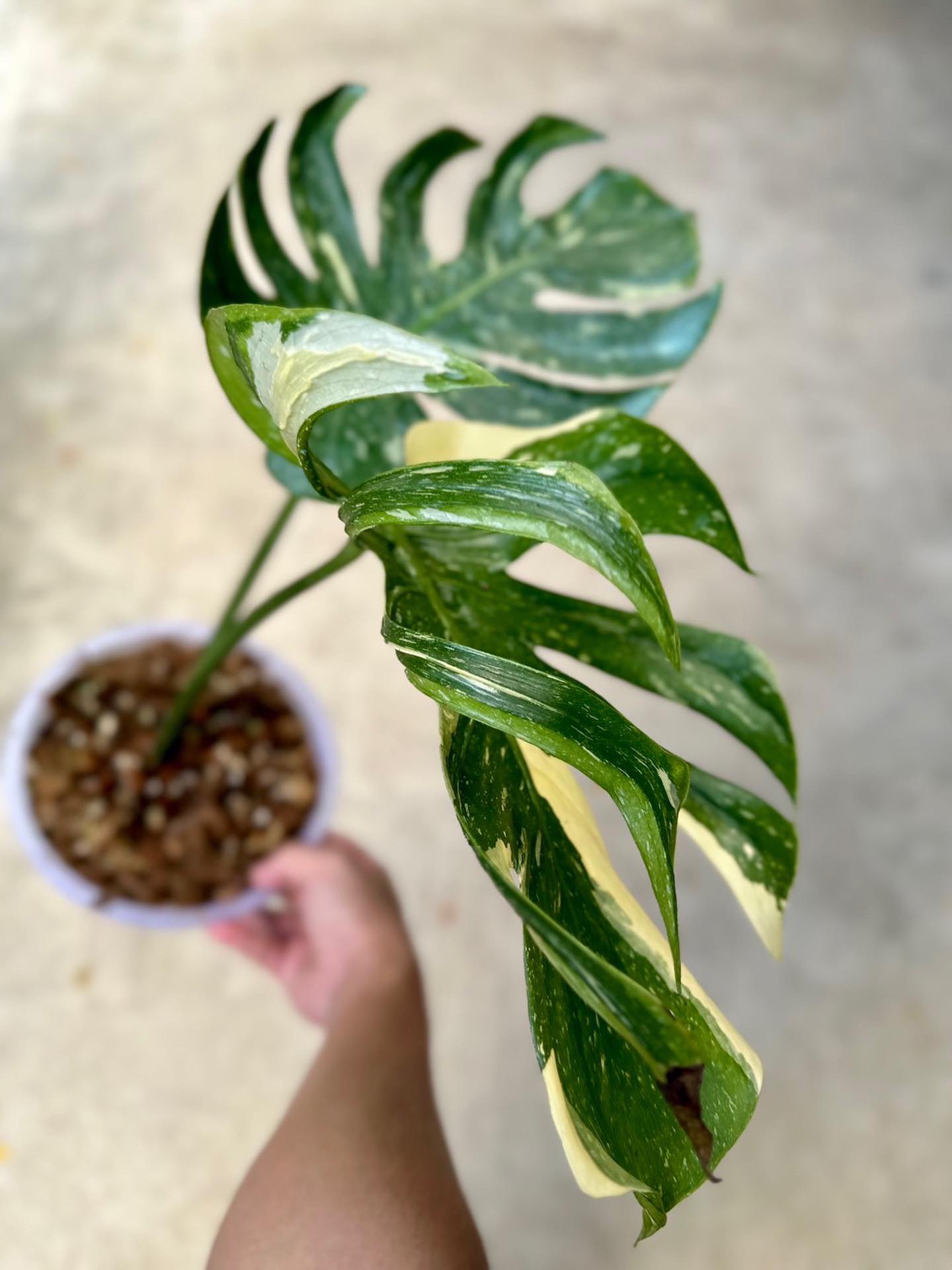

In the world of exotic plants, rare is a word that gets used constantly — sometimes accurately, sometimes loosely, and sometimes as pure marketing. But what truly makes a plant rare? Is it price? Scarcity? Difficulty to grow? Or something deeper?
Rarity is created by a blend of biology, ecology, propagation difficulty, supply chains, collector behaviour, and emotional value. Understanding these layers makes you a smarter collector with a more meaningful collection.
Below is a complete breakdown, refined for true plant enthusiasts.
Biological Rarity: When Nature Limits Supply

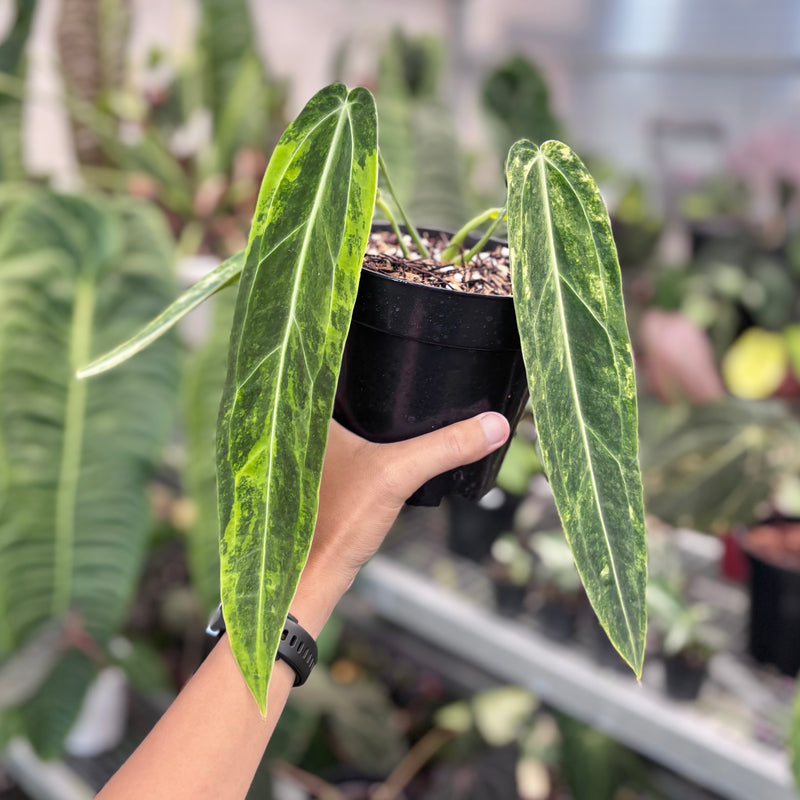

Some plants are rare because nature itself restricts their production.
Slow Growth Rates
These species naturally produce fewer cuttings or seeds:
- Philodendron spiritus-sancti
- Anthurium warocqueanum (true dark form)
- Chimeric variegated plants with reduced chlorophyll
Slow growth dramatically limits supply.
Low Reproductive Success
Some plants reproduce poorly due to:
- Low seed viability
- Pollination difficulty
- Weak seedling survival
- Dioecious structures requiring male + female plants
These limitations prevent fast commercial scaling.
Unstable or Recessive Variegation
High-value variegation types include:
- Sectoral variegation
- Half-moon splits
- Marbling patterns
- True chimeric variegation
- These traits are often unpredictable, making stable propagation extremely difficult.
Ecological Rarity: Limited Habitat & Conservation
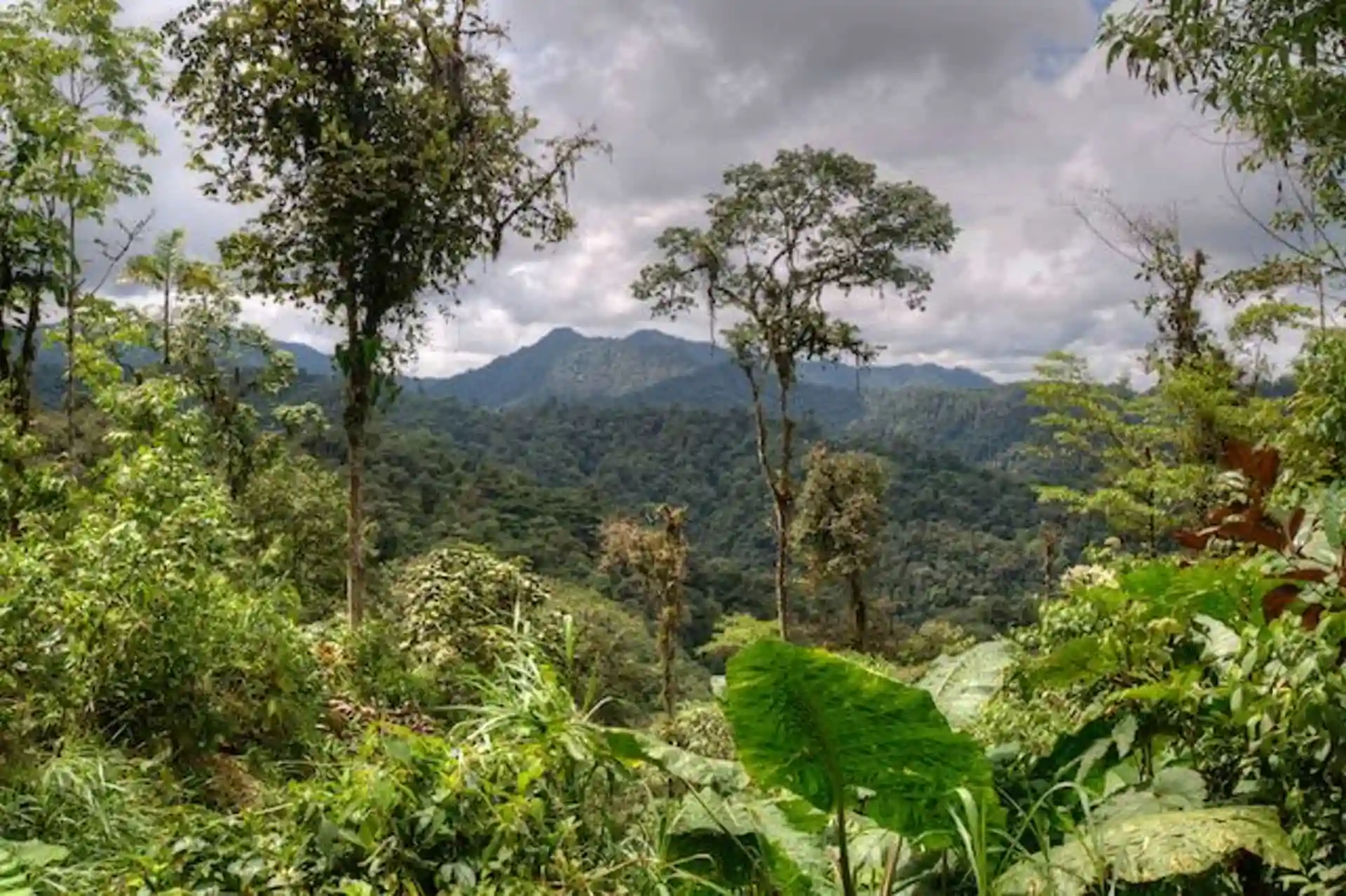


Some plants are rare simply because they grow in very specific, fragile environments.
Endemic Species
These species exist only in one region or ecosystem:
- Cliffside Anthuriums
- Ridge-top Philodendrons
- High-elevation Amorphophallus species
A limited habitat means limited numbers, even before collectors enter the picture.
Habitat Threats
Deforestation, mining, agriculture, and climate change reduce wild populations and create true ecological rarity.
Ethical & Legal Restrictions
Many species are protected under export bans or CITES regulations.
This means:
- Wild collection is illegal
- Exporting requires permits
- Only cultivated stock can be sold
A plant may be rare in the market because it is rare in nature.
Market Rarity: Hybrids, Limited Drops & Collector Influence


Some rarity is created by human behaviour, not biology.
Controlled Propagation
Nurseries sometimes release small batches of high-demand plants to:
- Maintain premium pricing
- Avoid devaluing their stock
- Build hype in a collector market
Hybrid Difficulty
Complex hybrids remain rare because:
- Pollination success is low
- Only a fraction of seedlings show desired traits
- Producing stable lines takes years
Collector Scarcity
A plant may be everywhere in private collections but almost never sold because owners refuse to cut or part with their specimens.
This is artificial scarcity, yet still part of the collector ecosystem.
True Rarity vs. Commercial Rarity

Not all “rare” plants deserve the label. Collectors use a mental filter to determine real rarity:
| Criteria | True Rarity | Commercial Rarity |
|---|---|---|
| Genetics | Unique, unstable, endangered | Common, mass TC-ready |
| Supply | Naturally limited | Artificially restricted |
| Value Stability | Holds value for years | Drops quickly |
| Care Level | Advanced | Beginner to intermediate |
| Demand Source | Collectors/admirers | Social trends |
A TikTok-famous plant is not the same as a genuinely rare species with verified lineage.
How Price Relates to Rarity (But Doesn’t Define It)


High price does not guarantee true rarity.
High Price = Genuine Rarity
This applies to plants with:
- Extremely slow growth
- Propagation difficulty
- Limited habitats
- Consistent long-term demand
- High Price = Pure Hype
These are usually plants that:
- Go viral
- Get over-marketed
- Later flood the market via tissue culture
Prices then collapse.
Low Price = Truly Rare
One of the best-kept secrets:
Some legitimately rare plants remain inexpensive because they haven’t gone mainstream or don’t show variegation.
Collectors call these sleeper plants.
The Psychology of Rare Plant Collecting



Rarity isn’t just about supply — it’s about emotion.
Status & Identity
Rare plants become symbols of:
- Skill
- Dedication
- Taste
- Access
The Hunt
Collectors enjoy the process as much as the plant itself:
- Tracking down rare species
- Trading with trusted growers
- Growing seedling lines over years
- Emotional Value
If a plant took years to acquire or nurture, it becomes more meaningful than any trend piece.
How to Determine if a Plant is Truly Rare


Use this checklist to evaluate claims of rarity:
- Check native distribution
- Research propagation challenges
- Investigate how many reputable growers offer it
- Confirm lineage: seed-grown, cultivar, hybrid, or wild-type
- Review long-term price trends
- Consult collector communities
- True rarity is validated by multiple factors, not just appearance or price.
Why Rarity Matters to PDA Exotic Plants


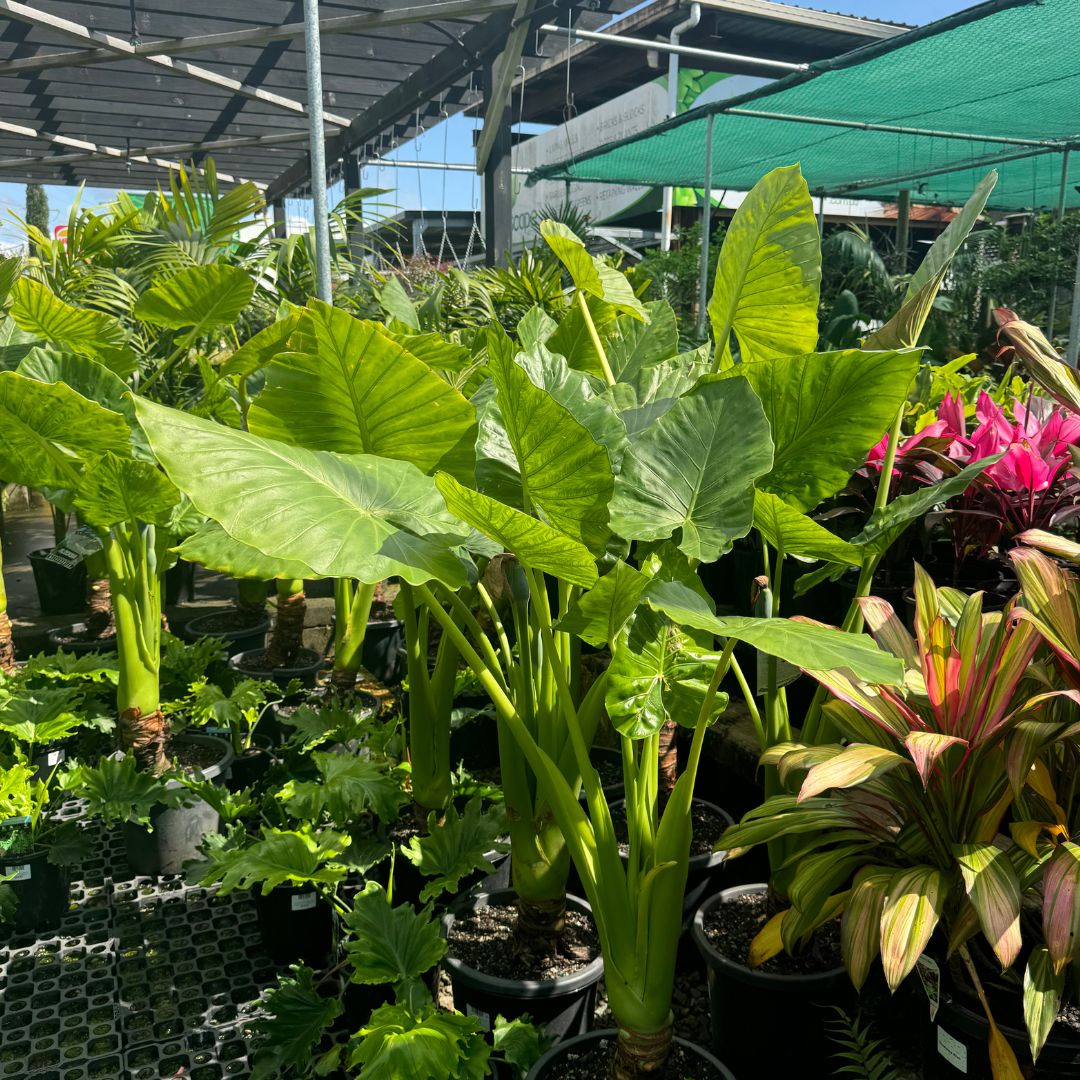
At PDA Exotic Plants, rarity is not a marketing term — it’s a philosophy of ethics and expertise.
Our focus includes:
- Cultivated stock only
- Never supporting wild poaching
- Maintaining genetic diversity
- Propagating responsibly
- Providing healthy, well-rooted plants
- Documenting lineage where relevant
Our mission is to offer rare plants in a way that protects the ecosystems and histories they come from.
Conclusion
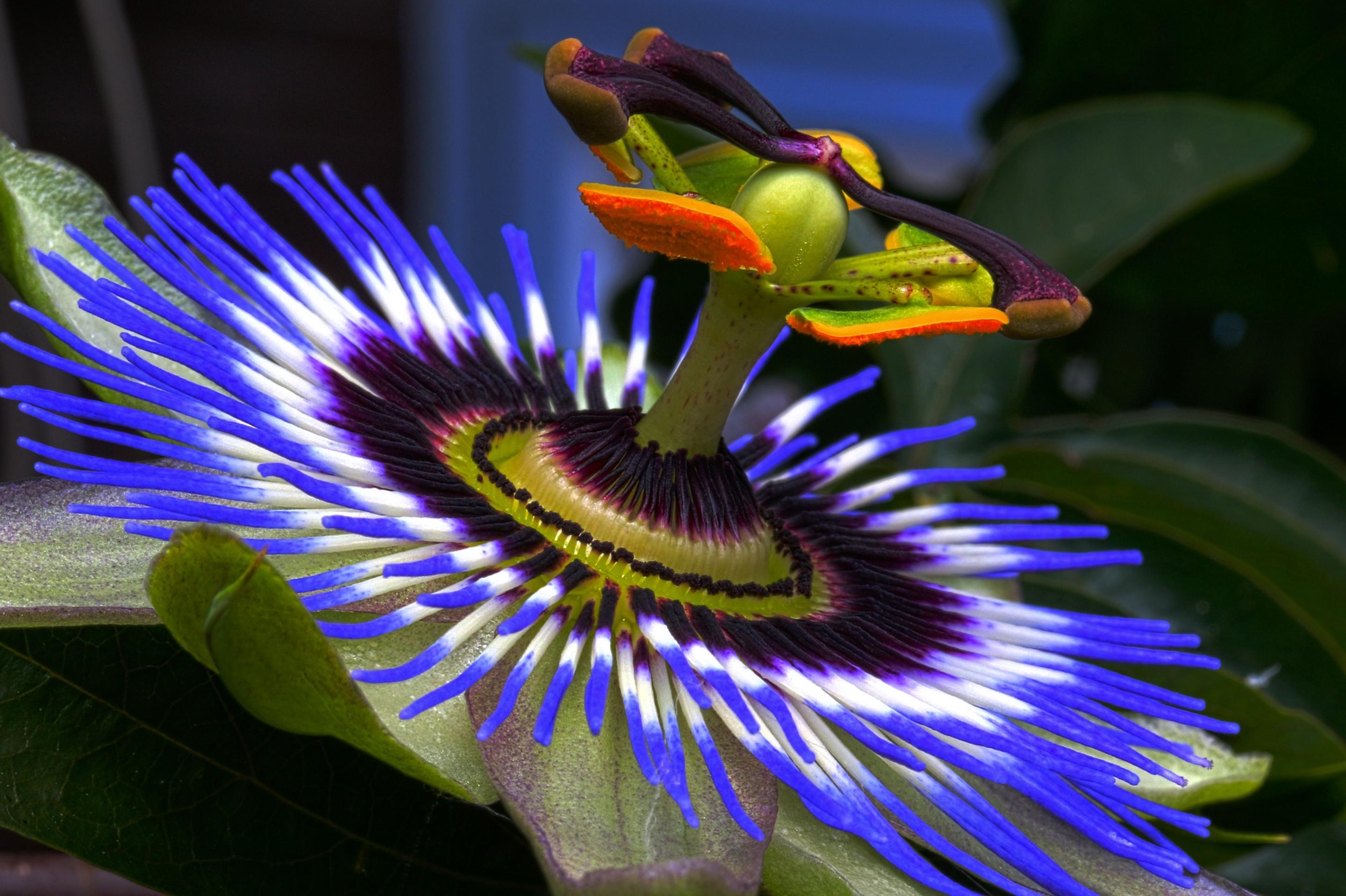


Rarity is complex and multidimensional.
It is shaped by:
- biology
- ecology
- genetics
- supply chains
- collector psychology
Understanding these layers gives collectors a deeper appreciation for the plants they choose to grow.