

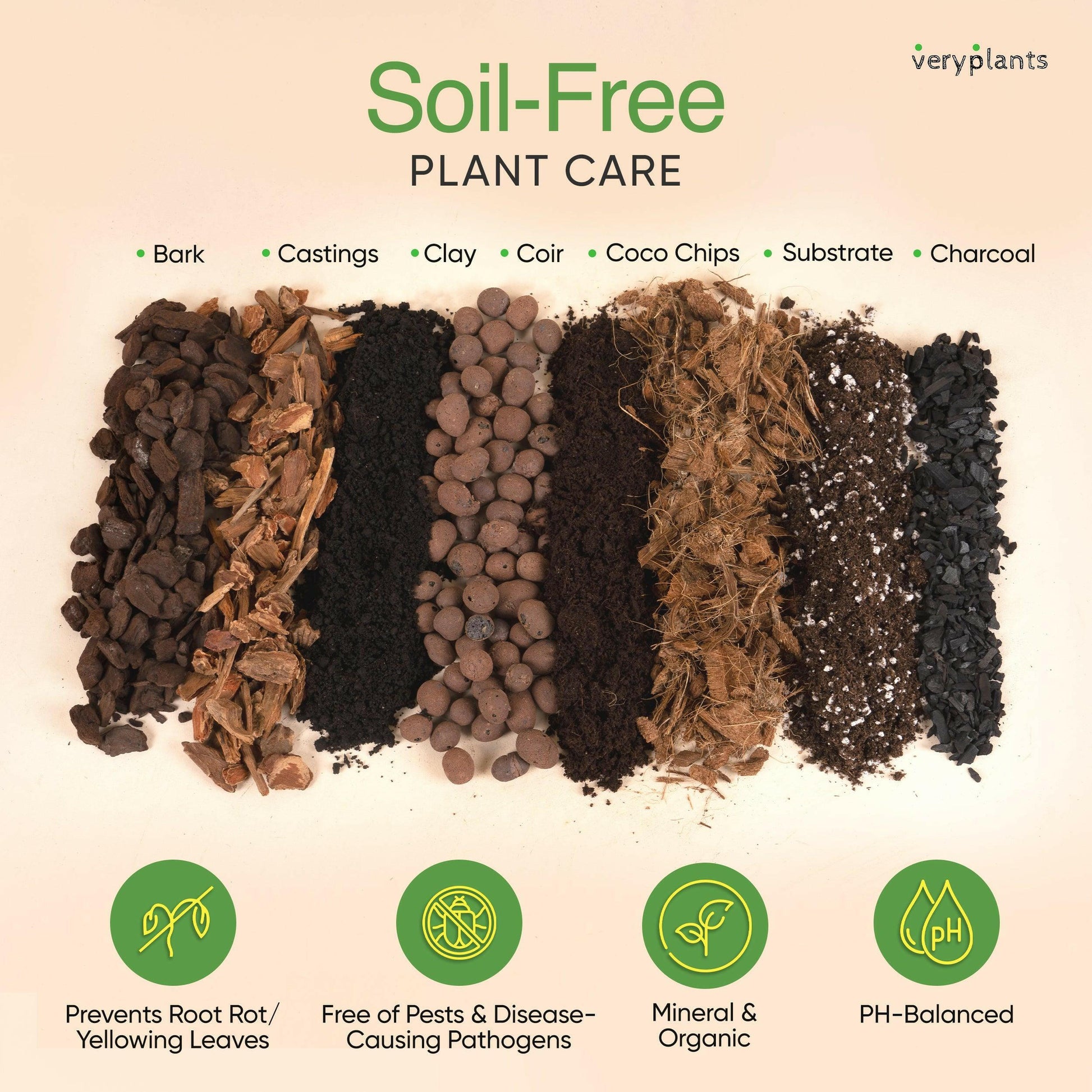

The single biggest difference between a thriving rare plant and one that struggles—despite the same light, watering schedule, and humidity—is almost always the soil mix.
A soil mix is not just “dirt.”
For rare aroids like Philodendrons, Anthuriums, Alocasias, and Syngoniums, your substrate acts like a life support system that regulates oxygen, moisture, nutrients, and root stability.
This guide gives you a simple, practical, beginner-friendly foundation for creating your own rare plant soil blend, explaining each component, how it works, and how to customise your mix based on your plants and environment.
Why Soil Structure Matters More Than Soil Ingredients
You can have all the right pieces—perlite, bark, coir, compost—but if the structure is wrong, the soil will fail.
Healthy soil for rare plants needs three things:
– Aeration: Roots must have oxygen to avoid rot.
– Moisture Regulation: Holds enough water to hydrate roots but drains fast enough to prevent suffocation.
– Stability: Supports upright growth and consistent nutrient absorption.
The worst plant issues often come from one of these structural failures:
– Soil that stays soggy → root rot
– Soil that dries too fast → stunted growth and dehydration
– Soil that compacts → suffocated roots and bacterial growth
When you master structure, everything else becomes automatic.
Understanding Each Component in a Rare Plant Soil Mix
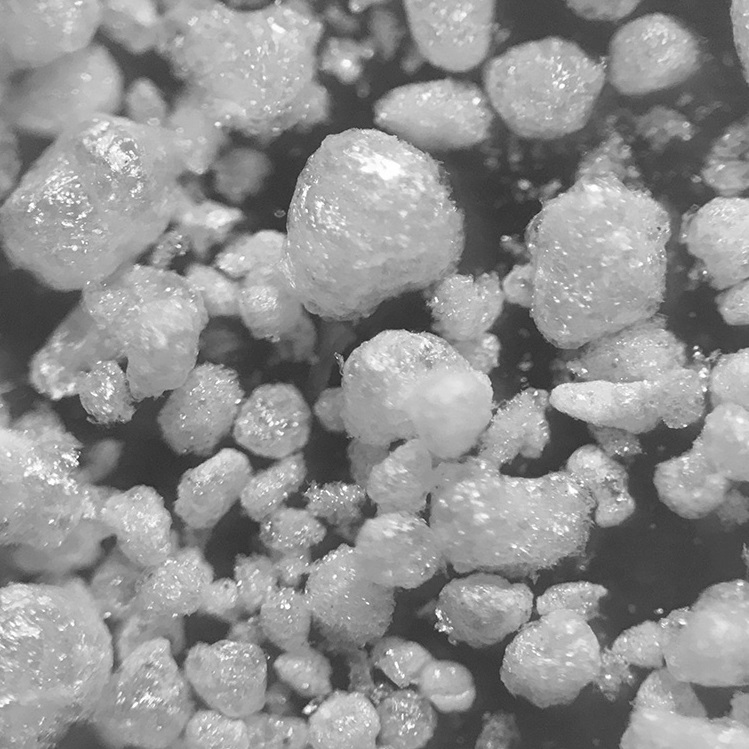
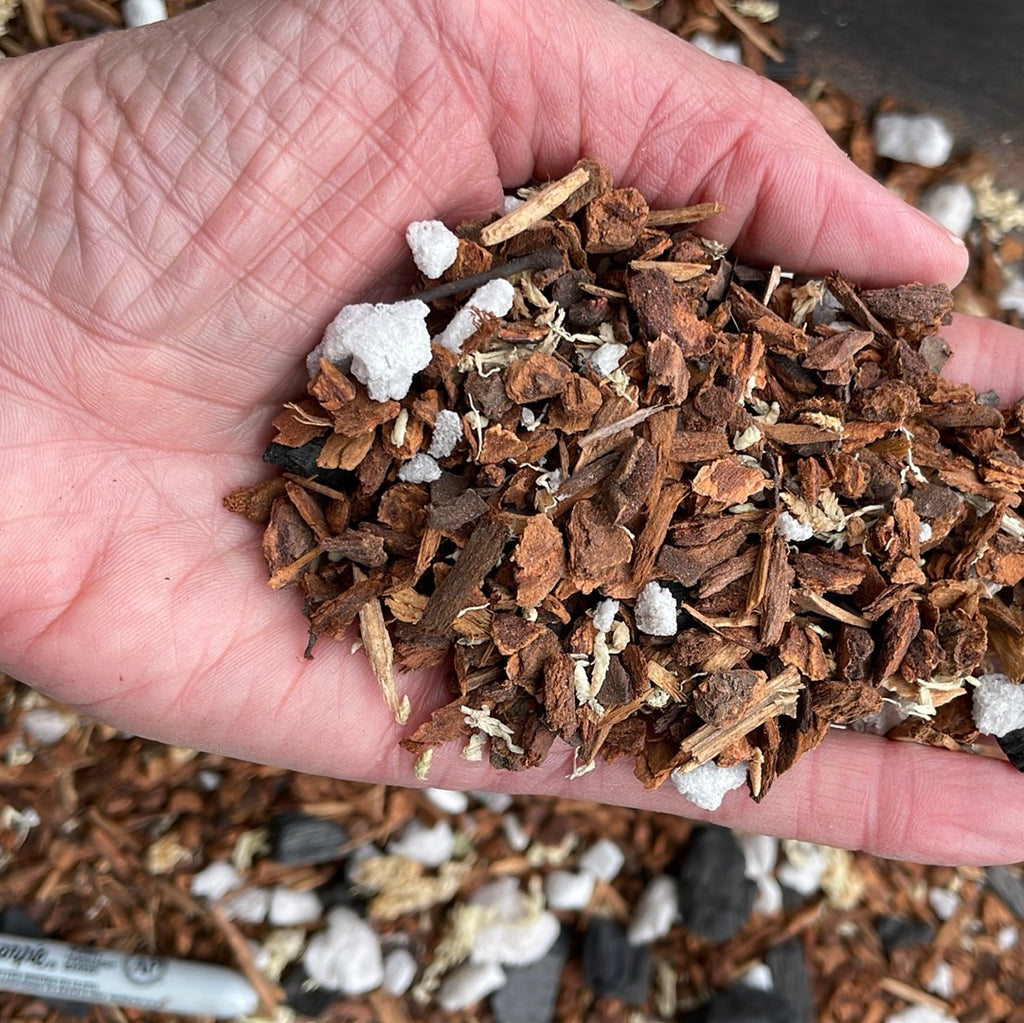
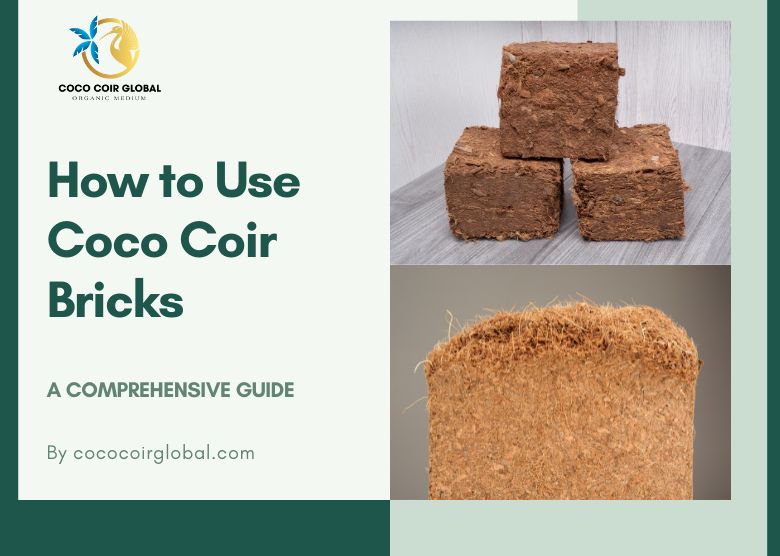
To build a mix that performs reliably, you need to know what each ingredient does.
1. Coco Coir (Base Substrate)
Coco coir is the backbone of most rare plant mixes.
What it provides:
– Even moisture retention
– Excellent aeration
– A neutral pH
– Resistance to compaction
Coir behaves like a more sustainable version of peat moss and encourages strong, even root growth.
When to increase coir:
– Your home is dry
– You underwater often
– Your pots dry out in 2–3 days
When to reduce coir:
– Soil stays wet longer than 7 days
– You live in a humid environment
– You over-water frequently
2. Orchid Bark or Pine Bark (Chunky Aeration Layer)
Bark pieces create the “gaps” that oxygen flows through.
What it provides:
– Long-term aeration
– Slow moisture release
– Microbial diversity beneficial to roots
When to increase bark:
– You tend to over-water
– You live in high humidity
– You grow Alocasia, Anthurium, or climbing Philodendrons
When to reduce bark:
– Your plants dry out too fast
– You grow species that prefer more consistent moisture
3. Perlite or Pumice (Drainage and Air Pockets)
These white stones lighten the mix and promote oxygen flow.
What they provide:
– Immediate drainage
– Faster drying time
– A lighter mix for developing roots
Perlite vs Pumice
– Perlite is lighter, cheaper, and increases drainage quickly.
– Pumice is heavier, improves aeration long-term, and doesn’t float.
When to increase perlite/pumice:
– Your mix retains water too long
– You repotted into a bigger pot
– You're caring for a plant prone to rot (Alocasia, Anthurium Crystallinum, etc.)
4. Horticultural Charcoal (Purification Layer)
Charcoal works like a natural filter inside the soil.
What it provides:
– Absorbs excess moisture
– Reduces bacterial buildup
– Helps prevent root rot
– Acts as a natural deodoriser
When to include charcoal:
– In any mix that’s kept indoors
– When using organic compost
– When you use tap water with minerals
5. Worm Castings or Organic Compost (Nutrition Component)
While aroids are not heavy feeders, a small percentage of compost provides slow-release nutrients.
What it provides:
– Soil biology
– Gentle nutrition
– Improved moisture retention
When to increase compost:
– You want faster growth
– You rarely fertilise
– Plants are pale or slow
When to reduce compost:
– You notice fungus gnats
– Your mix is staying wet too long
– Plants are growing leggy in low light
The PDA Standard Aroid Soil Mix (Beginner-Friendly)
Here is a simple, reliable mix recommended for most rare plants sold through PDA Exotic Plants:

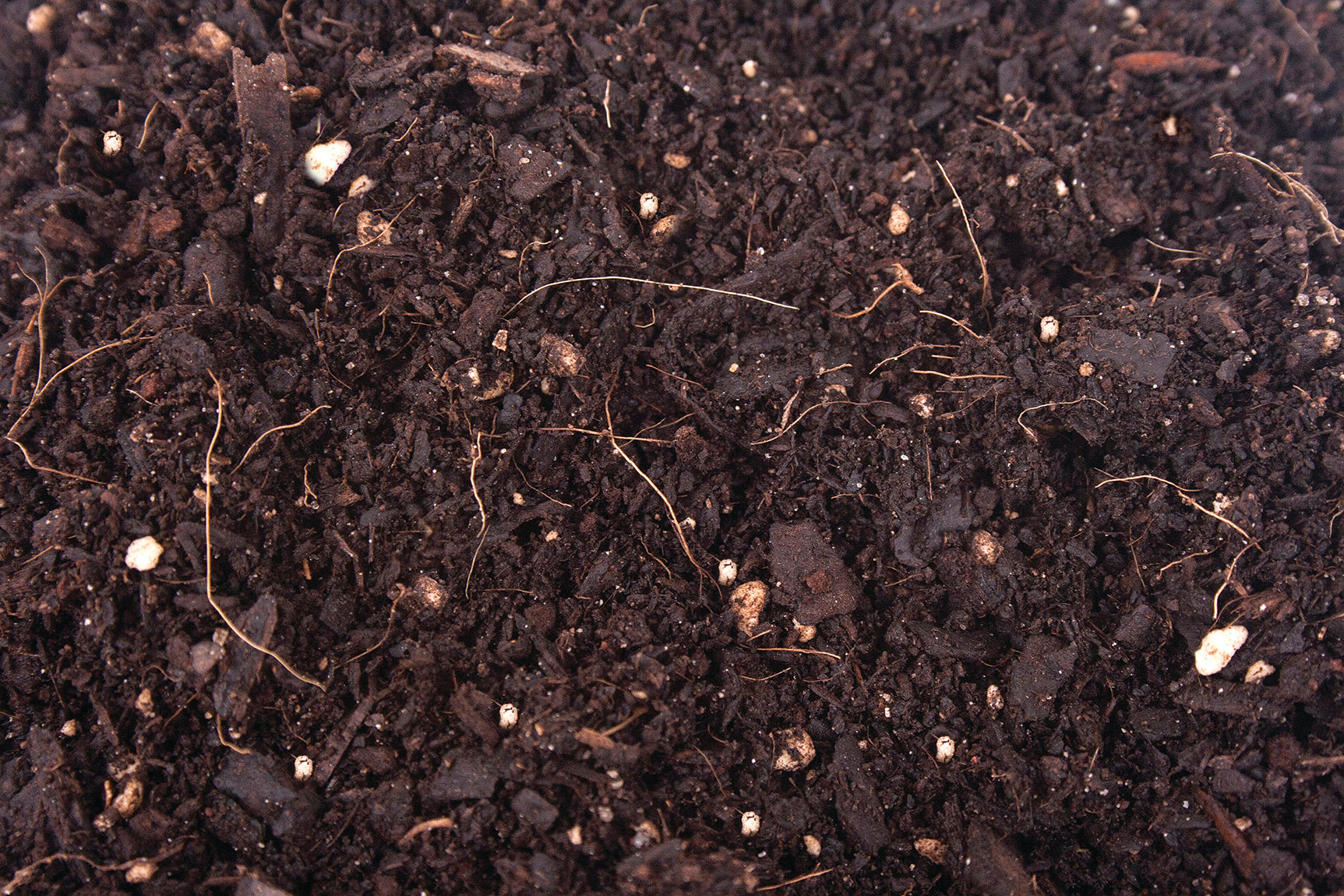
PDA Standard Mix Ratio:
– 40% coco coir
– 30% orchid bark or pine bark
– 20% perlite or pumice
– 10% horticultural charcoal
Optional:
– 5–10% worm castings for slow-release nutrition
This mix:
– Drains fast
– Holds moisture evenly
– Provides constant oxygen
– Prevents compaction
– Supports both juvenile and mature plants
Perfect for:
Philodendrons, Anthuriums, Alocasias, Syngoniums, Hoyas, and most “rare” indoor foliage plants.
How Soil Mix Affects Watering
Soil mix determines how often you water—and whether watering mistakes become fatal.
Fast-Drying Mixes (More Bark + Perlite)
– Require more frequent watering
– Provide excellent oxygen
– Protect against root rot
– Best for high-humidity environments or experienced growers
Moisture-Retentive Mixes (More Coir + Compost)
– Slow down drying
– Reduce watering frequency
– Provide more nutrients
– Best for dry homes or inconsistent waterers
If you adjust your soil mix to your home environment, watering becomes effortless.
How to Customise Soil Mix by Plant Type


Each rare plant group benefits from a specific structure.
1. Philodendrons (Climbing & Crawling)
Philodendrons love airy mixes but appreciate moisture.
Ideal Mix Adjustments:
– Reduce perlite slightly
– Increase bark
– Add 5–10% worm castings
Works for Gloriosum, Melanochrysum, Verrucosum, Pink Princess, Florida Beauty, and hybrids.
2. Anthuriums (Velvety, Crystallinum, Warocqueanum)
These are epiphytes—they grow on trees—so they want a very airy substrate.
Ideal Mix Adjustments:
– Add more bark
– Add more pumice instead of perlite
– Reduce coir slightly
Your goal is a chunky, oxygen-rich mix that dries evenly and quickly.
3. Alocasias (Jewel & Upright Types)
Alocasias need a balance between moisture and oxygen. Their corms rot easily if soil stays wet, but collapse if they dry completely.
Ideal Mix Adjustments:
– Increase perlite
– Increase charcoal
– Keep coir moderate
– Add a small amount of compost only if needed
Silver Dragon, Black Velvet, Maharani, Frydek, and other Alocasia all benefit from this.
4. Syngoniums (Variegated & Regular)
These plants love consistent moisture but not saturation.
Ideal Mix Adjustments:
– Add slightly more coir
– Reduce bark if drying too fast
– Optional: add a touch more compost
Syngonium Albo and Pink Splash benefit from even moisture distribution.
How to Customise Soil Mix by Environment
Your home is as important as the plant.
If You Live in a Dry Home (30–50% humidity)
– Increase coco coir
– Reduce bark
– Add 5% worm castings
– Watering becomes less frequent
Dry homes dry soil too quickly, so add moisture-retentive materials.
If You Live in a Humid Home (60–80% humidity)
– Increase bark
– Increase perlite/pumice
– Add more charcoal
– Reduce compost
Humid homes slow drying, so you want more airflow and drainage.
If You Over-Water Frequently
– Add more bark
– Add more perlite
– Reduce coir
– Add a layer of LECA at the bottom (optional)
This protects plants from suffocation.
If You Under-Water Frequently
– Increase coir
– Reduce bark
– Add compost
– Mulch the top with sphagnum moss
This helps soil hold moisture longer.
How to Mix the Soil Properly (Step-by-Step)


Step 1 — Gather materials
Make sure everything is clean and free of pests.
Step 2 — Pre-soak your coco coir
Hydrating coir ensures accurate moisture balance in the final mix.
Step 3 — Add bark and perlite
Mix thoroughly to distribute aeration pockets.
Step 4 — Add charcoal
This prevents bacterial buildup and odours.
Step 5 — Adjust texture
Pick up a handful:
– Should feel fluffy, not muddy
– Should fall apart when squeezed
– Should not clump into a dense ball
Step 6 — Test the drain rate
Water a test pot:
– Water should drain within seconds
– Soil should feel lightly moist, not soggy
If drainage is slow → add more perlite or bark.
If it dries too fast → add more coir.
Common Soil Mix Mistakes (And How to Avoid Them)
Mistake 1 — Using straight potting mix
– Compacts
– Retains water too long
– Causes root rot in rare plants
Mistake 2 — Overloading perlite
– Dries too fast
– Roots struggle to anchor
– Leaves may crisp
Mistake 3 — Not adjusting soil for pot size
Big pots = slower drying → more aeration needed.
Small pots = fast drying → more coir needed.
Mistake 4 — Mixing without understanding your environment
Humidity, airflow, and light all affect drying speed.
Mistake 5 — Using wet materials during mixing
If bark or coir is too wet during mixing, the final substrate may end up too dense.
Final Thoughts: Soil Is the Secret to Rare Plant Success
The right soil mix supports:
– Strong roots
– Faster growth
– Healthier leaves
– Better water absorption
– Lower risk of rot
– Easier, more predictable care
Once you build soil that works for your home environment and your specific plants, rare plant care becomes dramatically easier.