


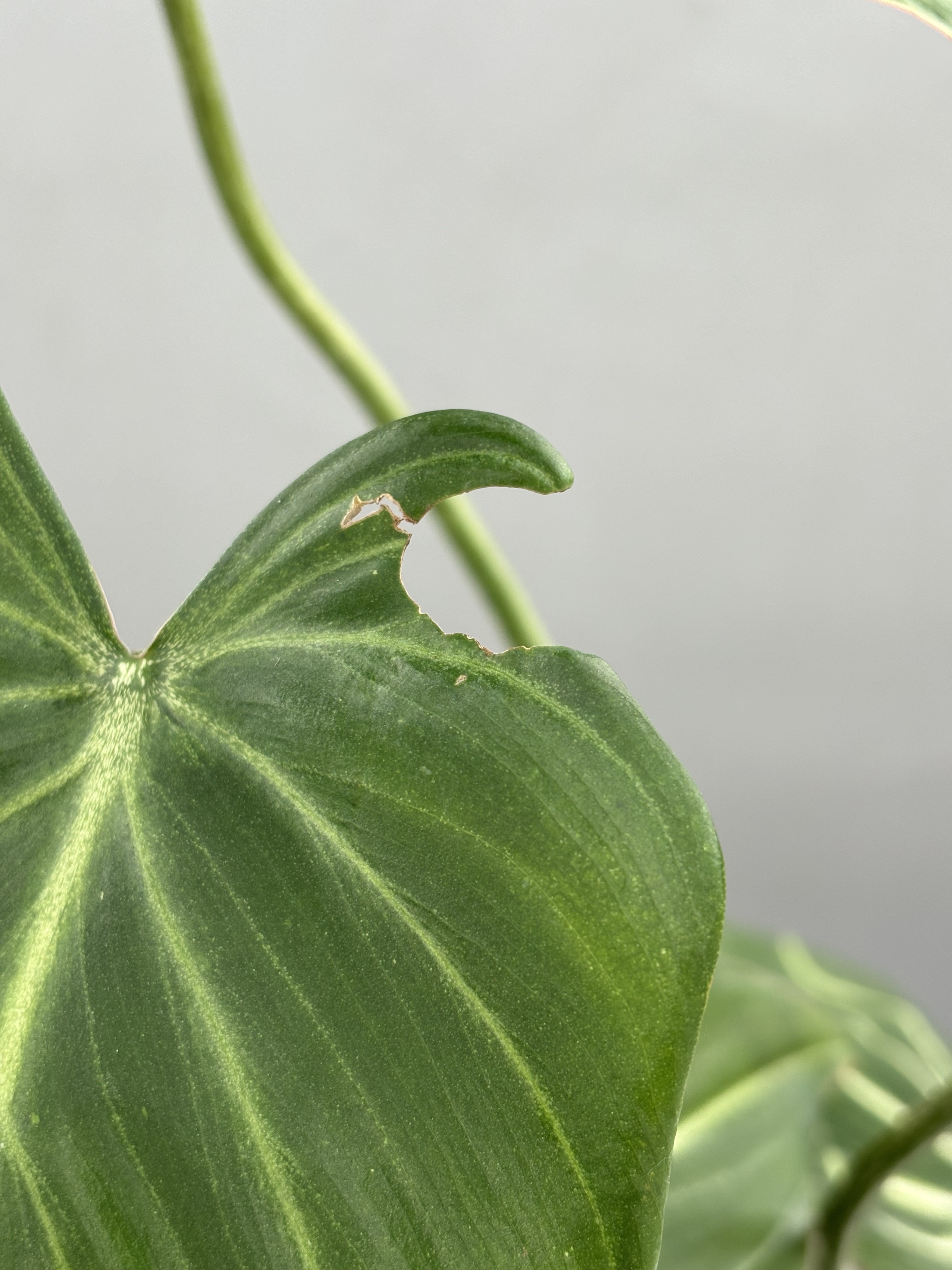
Philodendron Gloriosum is one of the most recognisable plants in the rare aroid world—an oversized velvet heartleaf with bright white veins, slow luxurious growth, and a distinctive crawling habit. Unlike climbing Philodendrons, Gloriosum grows horizontally along the soil surface, producing one dramatic leaf at a time.
It’s a plant that looks intimidatingly high-end but is surprisingly manageable once you understand its light, soil, and watering needs. This guide breaks everything down so you can grow Gloriosum with confidence—whether you’re a beginner or a seasoned collector.
What Makes Philodendron Gloriosum Special
Gloriosum stands out because of its:
– Large velvety leaves up to 40–90 cm in mature specimens
– Striking white (sometimes pinkish) venation
– Unique crawling rhizome growth pattern
– Slow but steady leaf production
– Premium, sculptural aesthetic
It’s a presence plant—one that turns any corner into a gallery-worthy display.
Unlike climbers that chase light vertically, Gloriosum expands horizontally like a living organism stretching across the forest floor. Understanding this growth style is key to caring for it properly.
Light Requirements


Gloriosum thrives in bright, indirect light, which supports healthy leaf size and clear vein contrast.
Ideal Light Conditions
– Within 1–2 metres of a bright window
– North-facing windows (AU) are excellent
– East-facing windows provide perfect gentle morning sun
Low Light
Gloriosum will survive low light, but you may see:
– Smaller new leaves
– Longer internodes
– Fewer leaves per year
Because this plant grows slowly, each leaf matters—so brightness is essential.
Avoid
– Harsh afternoon sun
– Direct western light
– Consistent low-light corners
Even 20–30 minutes of intense direct sun can cause burn on velvet foliage.
For dim homes, supplemental LED grow lights are extremely effective when kept at a safe distance (40–60 cm).
Watering
The Gloriosum sweet spot is lightly moist soil that dries moderately between waterings.
Watering Rhythm
– Allow the top 30–50% of soil to dry between waterings
– Water fully until water drains from the pot
– Ensure your potting mix drains fast and doesn’t compact
Reliable moisture without soaking is key. This plant dislikes being bone-dry or waterlogged.
Signs of Underwatering
– Drooping petioles
– Slight leaf curl
– Slow progression of new growth
Signs of Overwatering
– Yellowing older leaves
– Permanently wet soil
– Rhizome softness (danger sign)
A crawling rhizome can rot easily if sitting against wet, poorly-aerated soil.
Humidity & Temperature
Gloriosum adapts very well to typical indoor conditions.
Humidity
– Ideal: 55–70%
– Acceptable: 40–50%
– Higher humidity produces larger, cleaner leaves
Temperature
– Optimal range: 18–28°C
– Avoid temperatures below 16°C
– Keep away from draughts and heaters
Unlike high-maintenance Anthuriums, Gloriosum doesn’t require greenhouse humidity to thrive.
Soil Mix
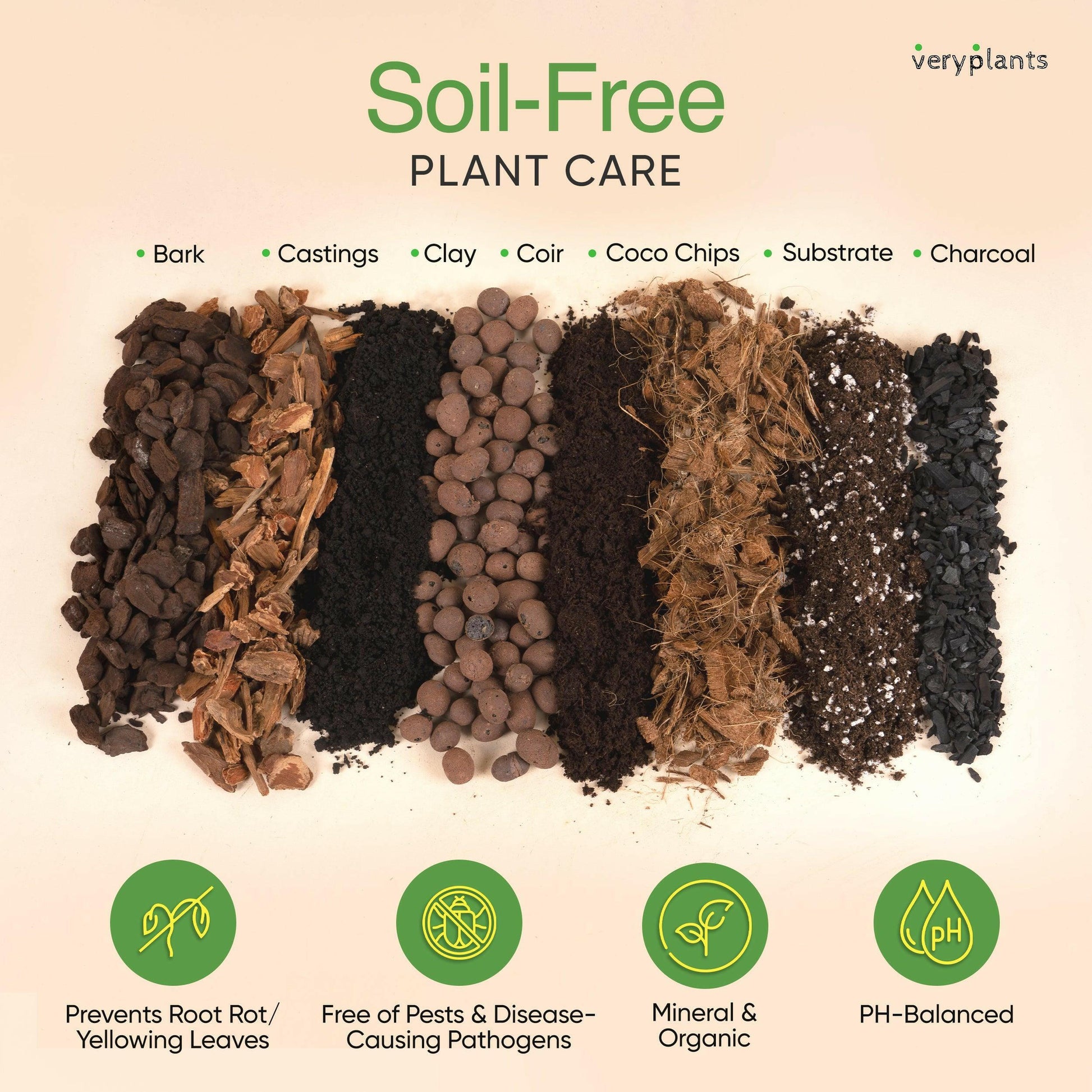
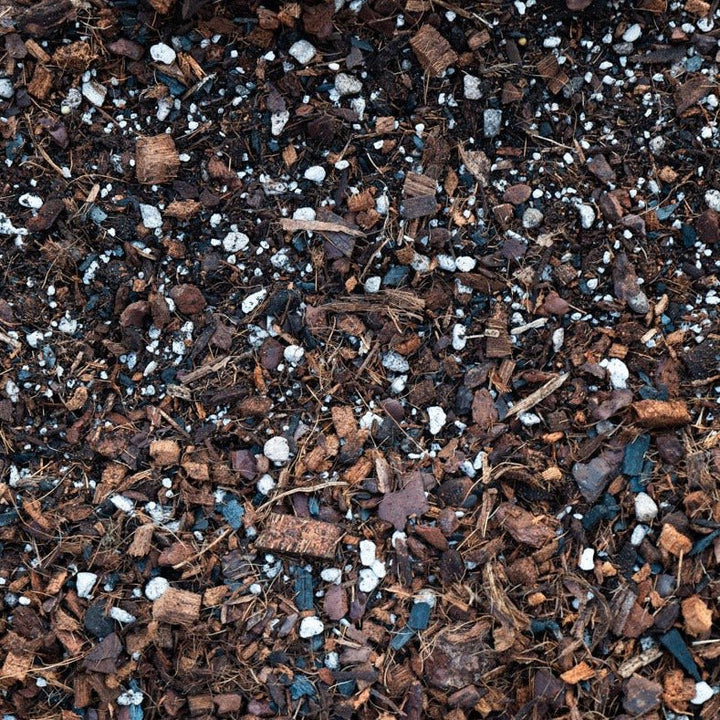
This species demands a well-aerated, fast-draining, chunky aroid mix because its crawling rhizome sits close to the soil surface and needs oxygen.
Recommended Soil Mix
– 40% coco coir
– 30% chunky orchid or pine bark
– 20% pumice or perlite
– 10% horticultural charcoal
Why This Works
– Prevents compaction
– Protects rhizome from rot
– Holds moisture evenly
– Provides airflow around roots
– Encourages strong root development
Avoid heavy, peat-dominant soils—they suffocate Gloriosum quickly.
Potting & Rhizome Positioning (Very Important)
Gloriosum is a crawler, not a climber, meaning its rhizome moves horizontally. Proper potting supports its natural growth.
Pot Shape
– Use a wide, shallow pot
– Avoid narrow, deep pots
Rhizome Placement
– Keep the rhizome on the soil surface
– Do not bury it
– Position it toward one side so it has room to move
If the rhizome is buried, it is significantly more likely to rot.
Supporting Growth & Leaf Size
Gloriosum is slow-growing by nature—producing roughly 2–4 leaves per year depending on conditions. However, you can encourage larger, more dramatic leaves by optimising:
1. Light
– Brightness improves leaf size and vein contrast.
2. Soil Aeration
– Healthy roots = larger foliage.
3. Consistent Moisture
– Not too dry, not too wet.
4. Warmth
– Growth speeds up above 22°C.
5. Feeding
Use a gentle fertiliser:
– Half-strength every 4–6 weeks during spring/summer
– Stop feeding during winter slowdown
Common Issues & Solutions
Even though Gloriosum is considered beginner-friendly, it communicates clearly when conditions are off.
Yellowing Leaves
– Overwatering
– Poor soil aeration
– Rhizome sitting against wet soil
Solution: improve drainage, adjust watering, inspect rhizome.
Small New Leaves
– Insufficient light
– Restricted roots
– Lack of nutrients
Solution: increase brightness, consider repotting, add gentle fertiliser.
Drooping Petioles
– Underwatering
– Cold temperatures
– Low humidity
Solution: warm the plant, adjust watering rhythm.
Rhizome Rot
– Caused by wet soil touching the rhizome
– Emergency action required
Solution: cut to healthy tissue, repot into fresher, airier mix.
Pests
Gloriosum is not particularly pest-prone but can attract:
– Spider mites in dry conditions
– Mealybugs around the rhizome
– Thrips on new leaves
Preventative care:
– Wipe leaves gently every few weeks
– Maintain moderate humidity
– Inspect new plants before introducing them nearby
Propagation
Propagation is done through rhizome division.
How to Propagate
– Unpot the plant gently
– Cut the rhizome into segments, ensuring each piece has:
– One growth point
– Some roots
– Allow cut ends to callus for 12–24 hours
– Plant into fresh, airy mix
– Keep humidity moderate while it establishes
Propagation is slow but highly rewarding.
Why Collectors Love Gloriosum
Collectors praise Gloriosum for being:
– One of the most photogenic aroids
– A reliable, steady grower
– A premium-looking plant without premium difficulty
– Ideal for bright rooms
– A statement piece even at smaller sizes
– Beautiful in wide pots and low shelves
– A unique crawler compared to typical philodendron vines
It is the perfect combination of elegance and practicality.
Final Thoughts
Philodendron Gloriosum is a plant that rewards good care with breathtaking foliage and a sculptural presence. Its slow, deliberate growth makes every new leaf a moment worth celebrating. With bright indirect light, airy soil, and thoughtful watering, Gloriosum becomes one of the most rewarding species in any rare plant collection.