

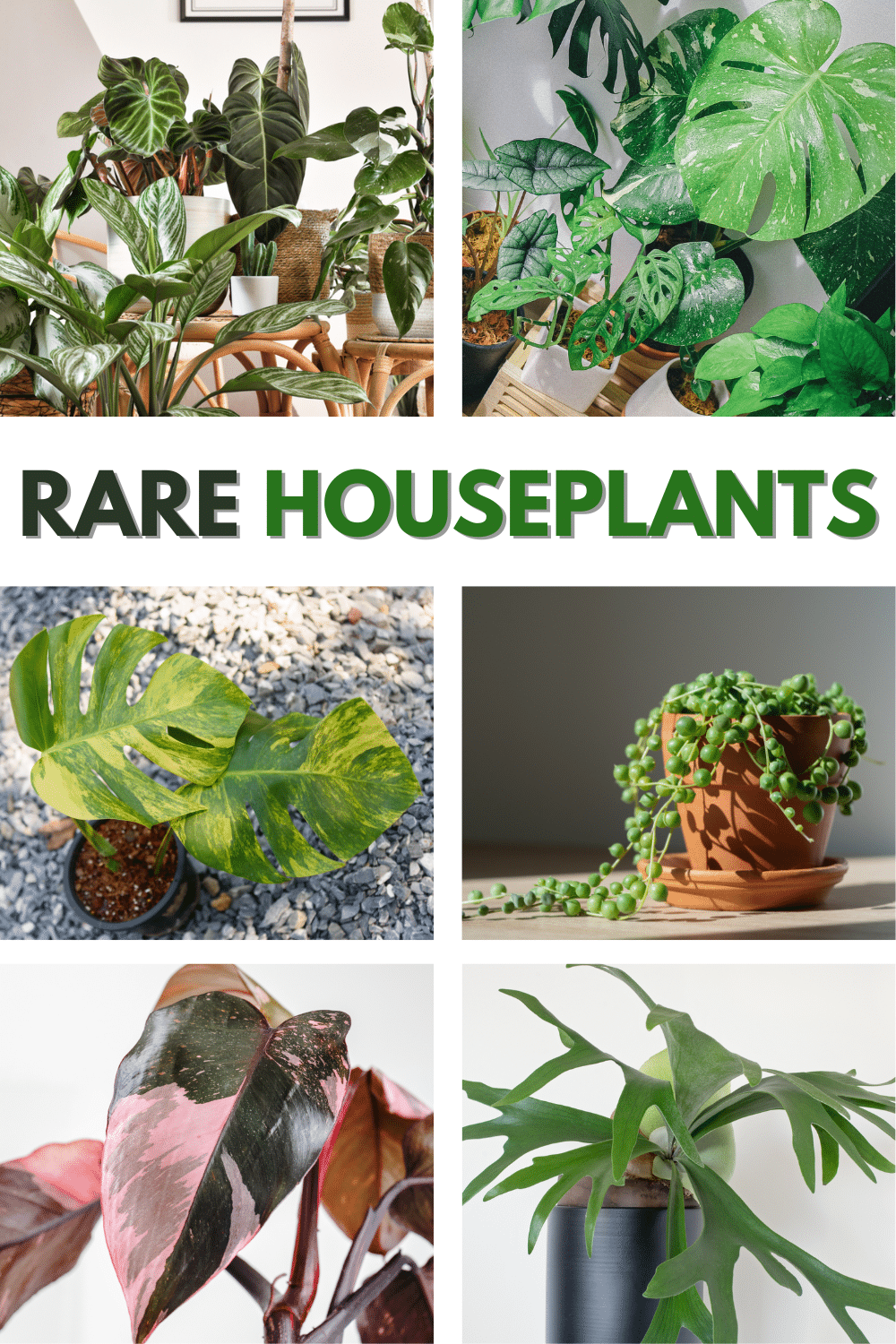

If you’ve ever browsed rare plants online, you’ve probably noticed how inconsistent quality can be. Some sellers ship fragile, unstable cuttings. Others list plants that aren’t true-to-type. A few deliver healthy specimens—but with no transparency on how they were grown or selected.
At PDA Exotic Plants, we do things differently.
Our goal is simple:
Every plant that leaves our hands should be one we would proudly add to our own collection.
Behind the scenes, this means a rigorous, multi-stage selection process that ensures each plant meets our standards for health, genetics, stability, and long-term success for the buyer.
This guide walks you through exactly how we choose, grow, and prepare rare plants before they reach you.
Stage 1 — Responsible Sourcing from Trusted Growers
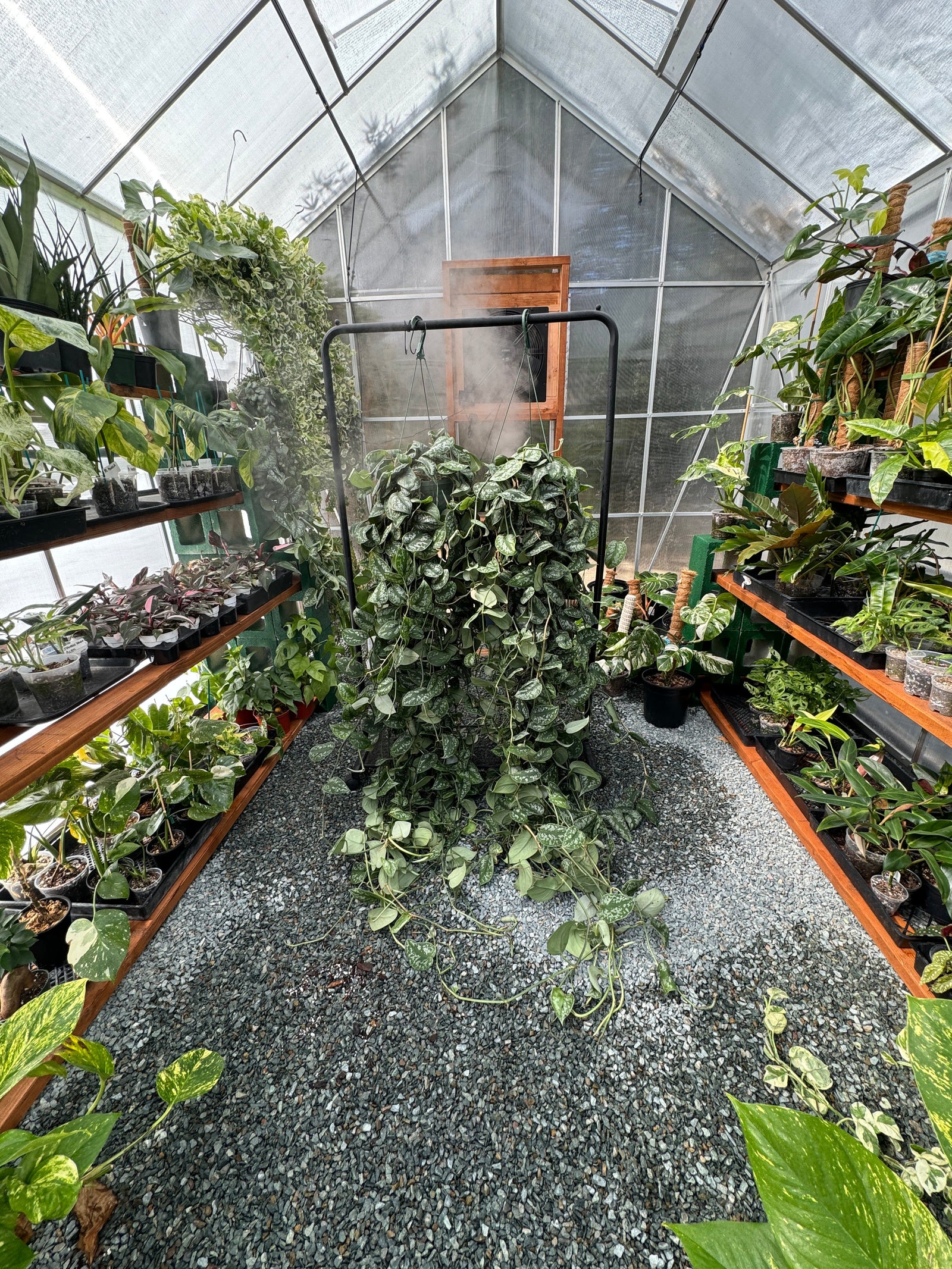

The first step in our process is choosing who we source from. Rare plants are only as strong as the environments they’re grown in, which is why we partner exclusively with growers who uphold strict horticultural standards.
Our sourcing criteria include:
– Ethical and sustainable propagation practices
– High genetic quality and true-to-type specimens
– Stable cultivars with consistent variegation (where applicable)
– Strong root systems
– Clean, pest-free environments
We prioritise growers who specialise in specific genera—Philodendrons from specialist aroid nurseries, Anthuriums from expert hybridisers, Alocasias from dedicated jewel growers, and so on.
Because we work closely with long-term partners across Australia and international regions, we’re able to secure:
– Stronger specimens
– More mature rooted plants
– Rare cultivars not commonly available
– Early access to newly stabilised hybrids
This is the foundation of everything we do.
Stage 2 — Initial Quality Assessment (Arrival Check)
When plants arrive at our facility, the first thing we do is an intensive, plant-by-plant inspection. This ensures each specimen meets PDA’s baseline quality standard before it enters our collection or inventory.
Our arrival check covers:
– Leaf condition (no structural damage, spotting, or melting)
– Root health (firm, white, well-developed root systems)
– Corm/rhizome integrity (critical for Alocasia and crawling Philodendrons)
– Variegation clarity and stability
– Accurate ID and phenotype matching
– Vigour indicators (turgor pressure, new growth, petiole firmness)
Any plant that does not meet our baseline is:
– Isolated for rehabilitation
– Returned
– Or excluded from stock
This is how we maintain consistency in our catalogue photos and product quality.
Stage 3 — Quarantine & Pest Management


Before any plant enters our active growing spaces, it undergoes a minimum 2–4 week quarantine period. This ensures the plant is clean, healthy, and acclimatised.
During quarantine, we:
– Inspect under each leaf for pests
– Check petiole bases for mites or thrips
– Examine soil and roots for fungus gnats or mealybugs
– Treat plants proactively with safe botanical sprays
– Monitor daily for stress or disease signs
We never list a plant for sale unless:
– It has passed quarantine
– It shows stable new growth
– It demonstrates resilience in our care conditions
This step protects not only our collection, but also your collection. Clean plants in = clean plants out.
Stage 4 — Acclimation to Indoor Growing Conditions
Most rare plants originate from greenhouse environments with:
– Higher humidity
– Warmer temperatures
– Diffused lighting
– Consistent watering schedules
But your home is different.
Your plants must adapt.
So we carefully acclimate each plant to ensure it can thrive for the next owner.
Our acclimation steps include:
– Gradually reducing humidity levels
– Transitioning plants from greenhouse to indoor light intensity
– Adjusting watering cycles to match typical home conditions
– Testing resilience by monitoring droop recovery and leaf response
– Ensuring the plant continues producing growth under moderate indoor lighting
This stage is crucial.
A plant that thrives in a nursery may crash once removed from perfect conditions.
We bridge that gap.
Stage 5 — Soil Mix Customisation
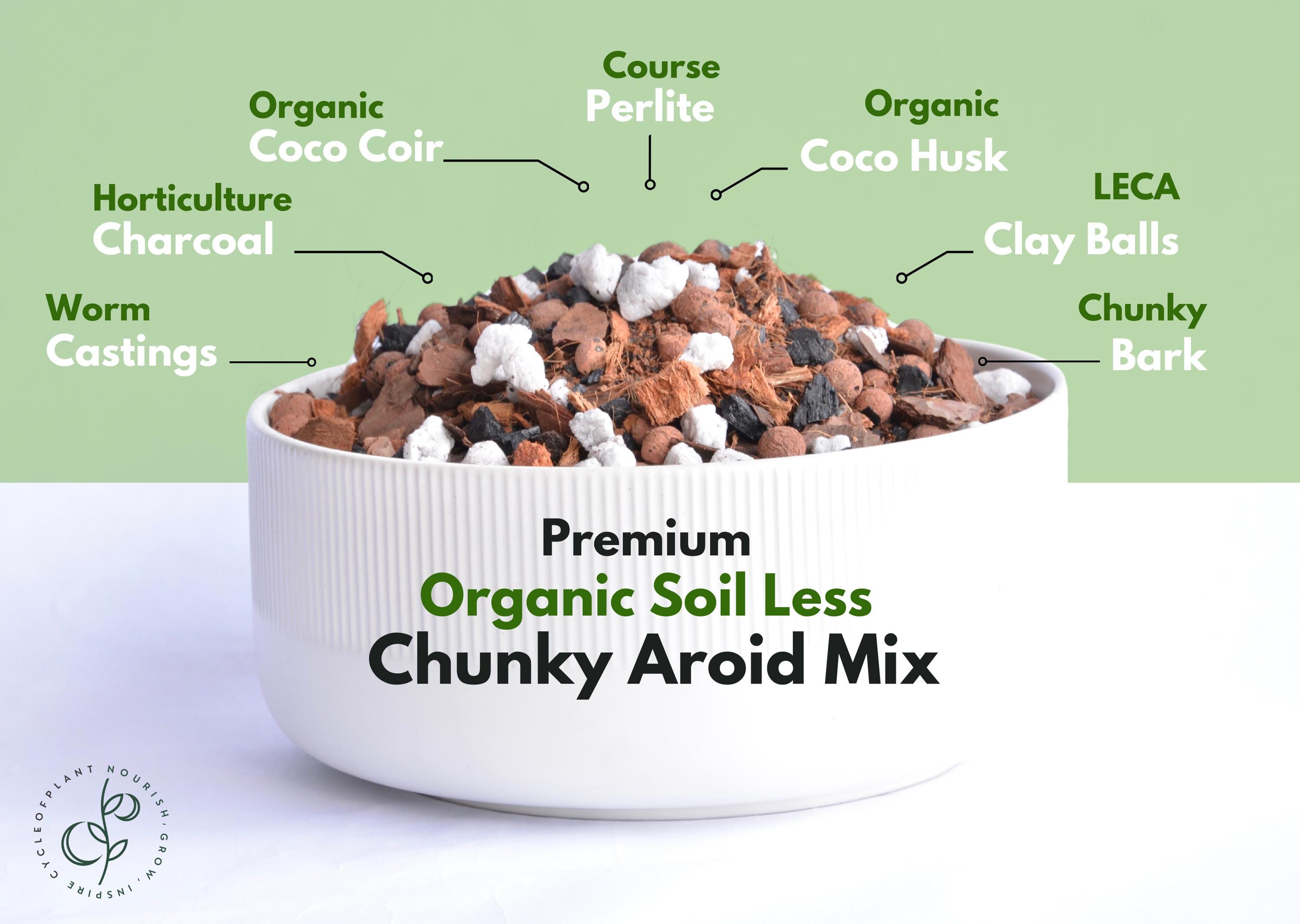


Different genera require different substrate structures. We don’t use a “one mix fits all” approach.
Instead, we tailor soil mixes based on:
– Root type
– Water uptake patterns
– Growth habit (climbing, crawling, upright)
– Dormancy tendencies
– Oxygen requirements
Examples:
Philodendrons
– Higher bark content
– Strong oxygen flow
– Moderate moisture retention
Anthuriums
– Very chunky, airy mix
– Fast-draining with high aeration
– Mimics epiphytic conditions
Alocasias
– Balanced mix with aeration + moisture retention
– Increased charcoal to reduce rot risk
– Support for corm development
When your plant arrives, it’s already in a substrate optimised for long-term health—not just short-term aesthetic presentation.
Stage 6 — Growth Monitoring & Health Tracking
After acclimation, plants enter our active growing zone. This is where they stay until they are ready for listing.
During this period, we track:
– Growth rates
– Light response
– Root expansion
– Signs of stress or nutrient imbalance
– Variegation consistency (for Albo and variegated species)
– Overall vigour
We do not rush plants to market.
A plant is only listed when we see stable, predictable growth patterns consistent with its species.
This ensures the plant you receive:
– Is at least one growth cycle stable
– Has reliable root structure
– Has adapted to indoor-style conditions
– Shows no signs of stress or recovery
Stage 7 — Accurate Photography & True-to-Plant Representation

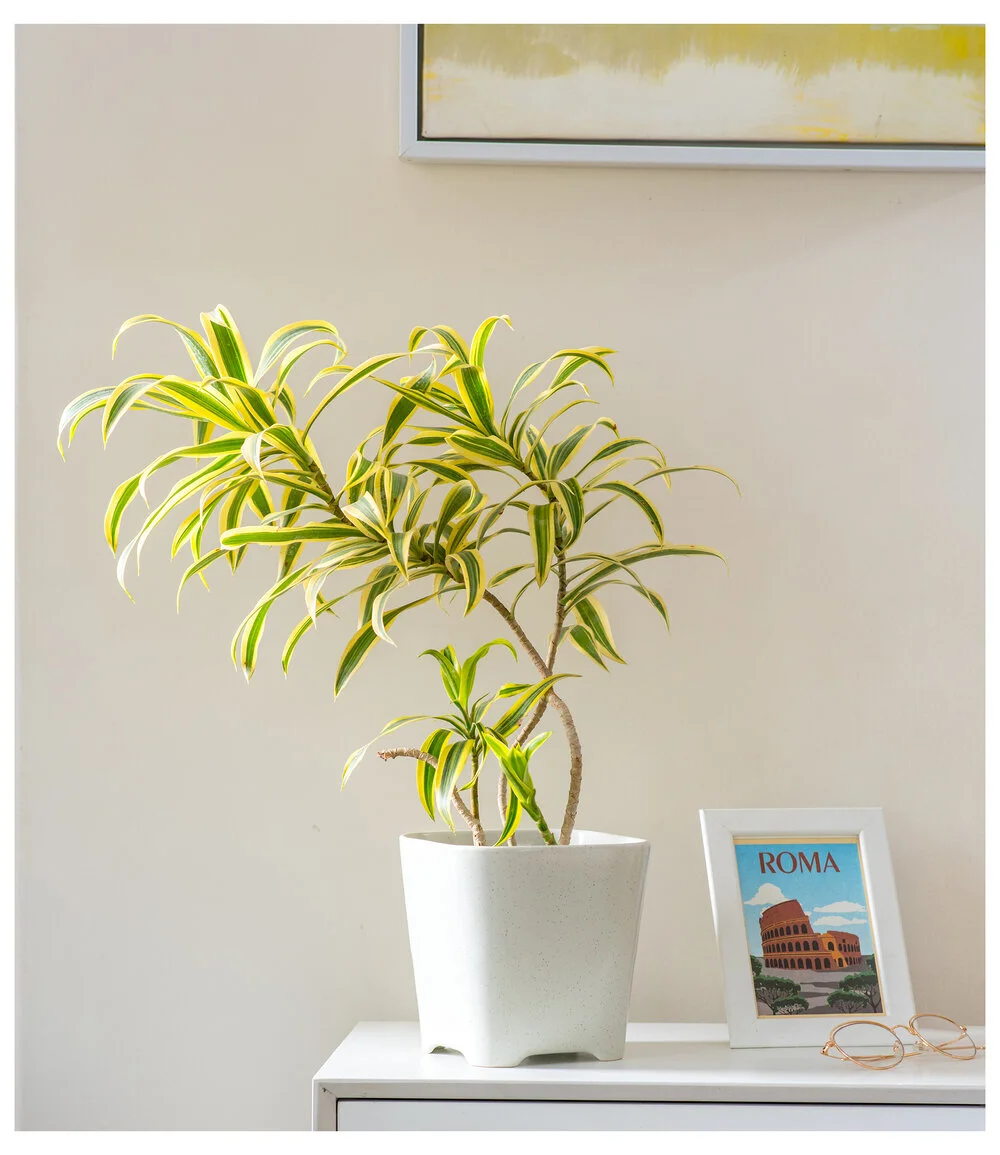
We believe buyers deserve honesty. Many online shops use stock photos or doctored images, but we commit to accurate representation.
Our photos:
– Are taken of the exact plant or identical-grade stock
– Are not heavily edited
– Are coloured to match real-life appearance
– Show key details such as variegation, leaf shape, and new growth points
– Highlight any unique character traits
We also avoid angles that hide flaws or exaggerate size.
Translating a rare plant’s true beauty onto a screen is an art—and we take it seriously.
Stage 8 — Final Pre-Sale Check
Before a plant is made available for purchase, it undergoes a final health assessment:
– Is the root system established and firm?
– Has the plant produced new growth under our care?
– Are leaves stable, hardened, and acclimated?
– Is variegation balanced and predictable?
– Is there zero pest activity?
– Has the plant recovered fully from any previous leaf drop or shipping stress?
Only when all criteria are met do we list the plant for sale.
This means customers receive plants that are:
– Stable
– Predictable
– Healthy
– Ready to continue growing
No surprises. No freshly imported shock. No unstable nodes.
Stage 9 — Packing & Shipping with Collector Standards

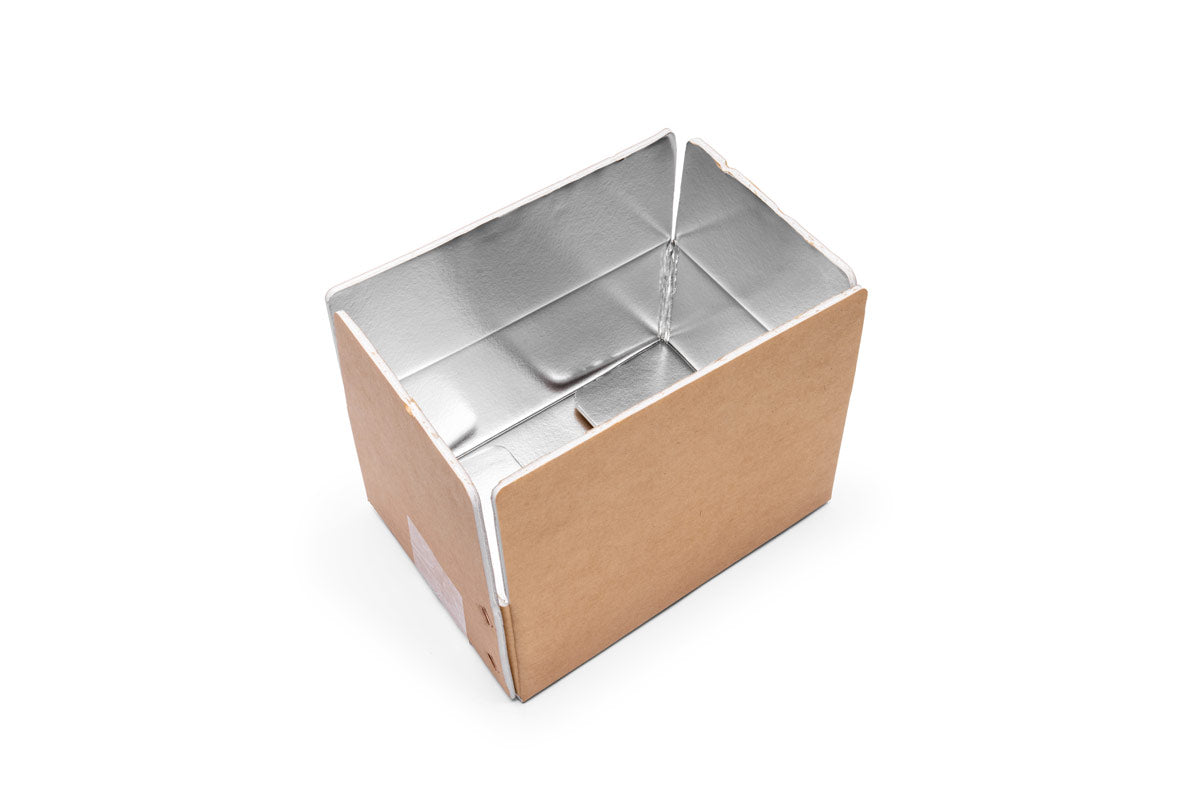
Shipping is one of the most delicate parts of the process—especially for rare foliage. We pack each plant as if we were shipping to ourselves.
Our packing method includes:
– Moisture-stabilised soil
– Breathable packing paper
– Padded stems and secured petioles
– Temperature-sensitive insulation (seasonal)
– Heat or cool packs when required
– Zero movement inside the box
– Clear, secure labelling
We aim to deliver a plant that looks as close to “fresh off the shelf” as possible.
And if something does go wrong in transit, our customer support process ensures you’re taken care of.
Why Our Selection Process Matters
Our method isn’t about being strict—it’s about giving you long-term success.
Because of our approach:
– Plants acclimate more easily to new homes
– Buyers experience fewer pest or rot issues
– Leaves stay stable and continue to grow
– Plants maintain their shape, health, and variegation
– Shipping stress is greatly reduced
– You receive a plant that feels truly premium
A rare plant should not be a gamble.
It should be an investment that grows with you.
Final Thoughts: A Better Standard for Rare Plants
At PDA Exotic Plants, we believe collectors deserve clarity, quality, and confidence. Our plant selection process is designed to ensure:
– Honest representation
– Rigorous health standards
– Responsible sourcing
– Adaptive acclimation
– Expert-level care
Every plant has a story—and we take pride in ours.