
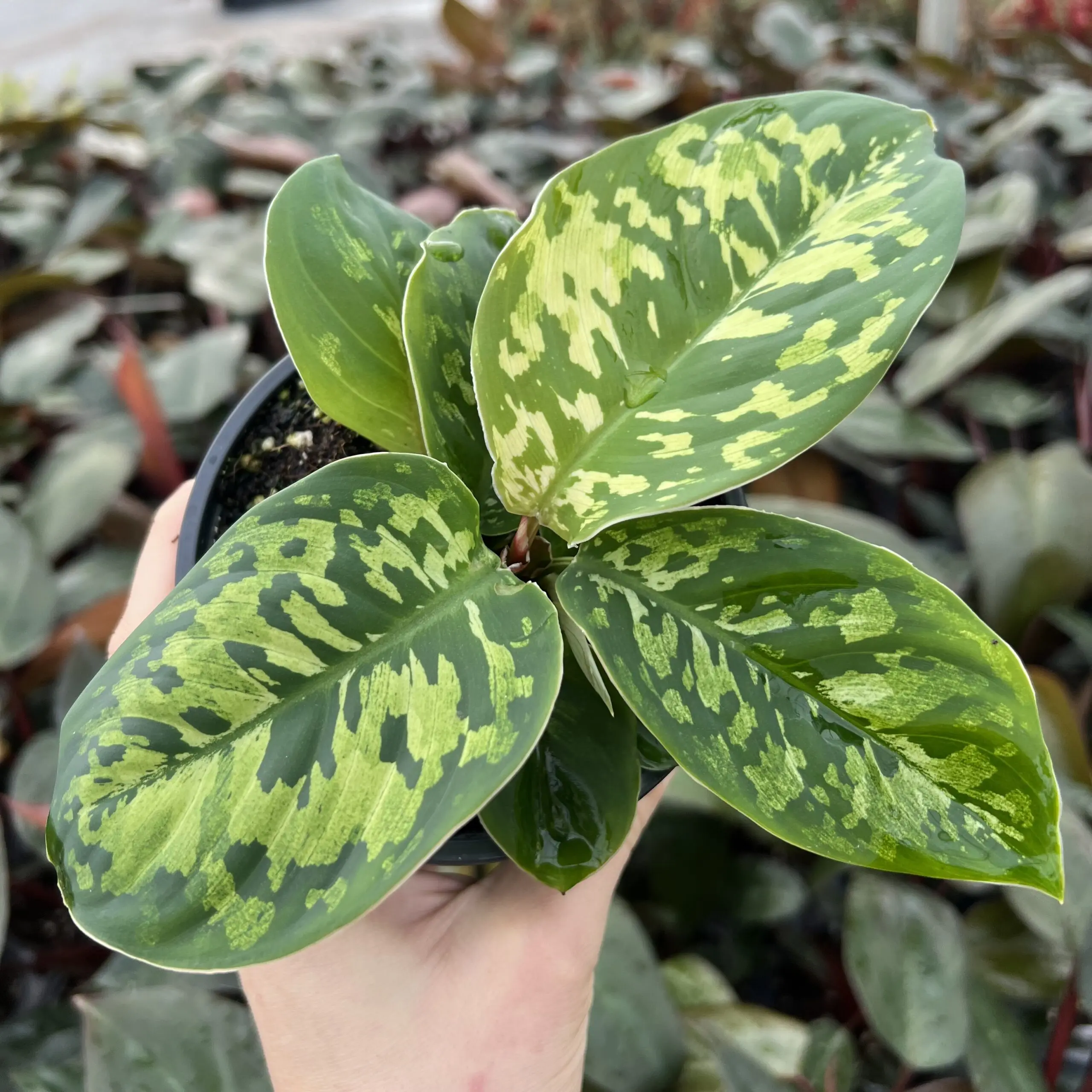

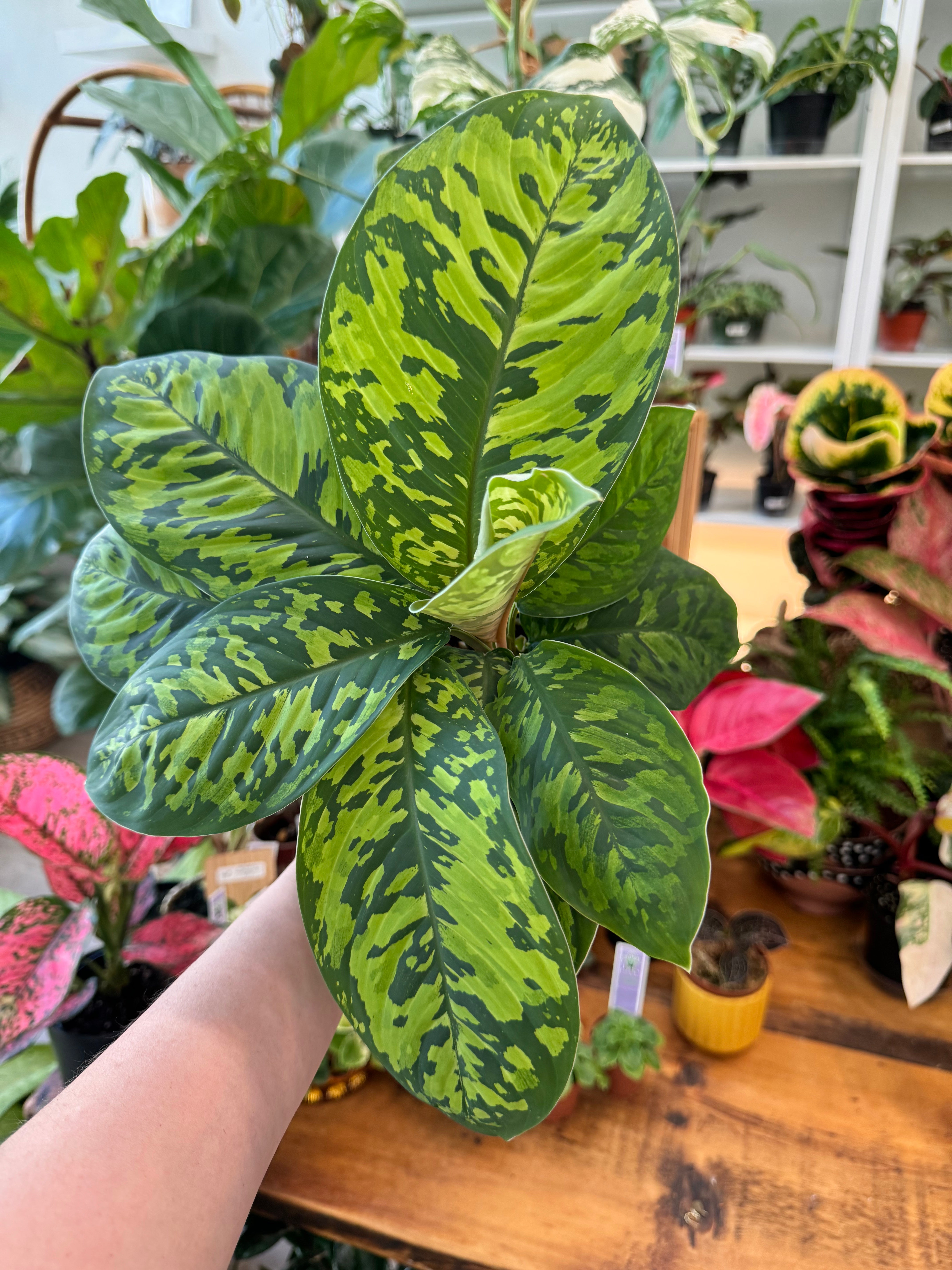
Homalomena ‘Camouflage’ is one of the most unique and resilient foliage plants in the rare-plant world. With its striking mottled pattern, compact form, and surprisingly easy-care nature, it’s a dream for collectors who want a rare-looking plant without the usual high-maintenance demands of aroids like Alocasia or Anthurium.
Despite its exotic appearance, Homalomena Camouflage adapts beautifully to indoor environments, tolerates inconsistent watering, and thrives in a wide range of light conditions. This guide gives you everything you need to understand, grow, and enjoy this stunning species.
What Makes Homalomena Camouflage Special
Homalomenas come from humid forest floors in Southeast Asia, which explains why they retain moisture beautifully and don’t require intense light. The Camouflage variety is especially coveted for its:
– Thick, textured leaves with marbled green patterning
– Incredible tolerance to typical household conditions
– Sturdy, upright growth habit
– Minimal pest issues
– Slow but steady growth
Collectors often describe it as “the easiest rare plant you’ll ever own.”
It brings the visual drama of a Philodendron but with the care needs of a peace lily—making it perfect for beginners and seasoned collectors alike.
Light Requirements

One of the plant’s greatest strengths is its light flexibility.
Ideal Light
– Medium to bright indirect light is perfect.
– Soft morning sun is fine if filtered.
– A room that stays bright throughout the day yields the best colour contrast.
Lower Light Tolerance
Homalomena ‘Camouflage’ performs better in low light than most aroids.
It can tolerate:
– South-facing rooms
– Spaces a few metres from a window
– Locations where Philodendrons or Anthuriums would struggle
However, in low light you may see:
– Slightly slower growth
– Less defined patterning
– Smaller new leaves
Avoid
– Harsh afternoon sun
– Direct light stronger than 30–45 minutes per day
Too much direct light causes leaf fade or edge crisping.
Watering: Very Forgiving, But Not Invincible
One of the top reasons collectors love this plant is how tolerant it is of both underwatering and occasional overwatering.
Watering Guidelines
– Allow the top 30–40% of soil to dry before watering again.
– Water evenly until excess drains out of the pot.
– Empty the saucer after watering to prevent root saturation.
What It Likes
– A gentle, regular rhythm
– Soil that dries just enough between waterings
– Slight moisture retention without staying soggy
Underwatering Symptoms
– Mild drooping
– Slight leaf curl
– Dry, papery edges (rare)
It recovers quickly once watered.
Overwatering Symptoms
– Yellowing lower leaves
– Persistently damp soil
– Mushy petiole bases
While Homalomena is resilient, sustained overwatering can still damage roots, so drainage is important.
Humidity & Temperature
Homalomena Camouflage thrives in average home conditions without complaint.
Humidity
– Best at 50–70%, but perfectly fine at 40%.
– Does not require a humidifier.
– Higher humidity can subtly enhance leaf sheen.
Temperature
– Ideal range: 18–28°C
– Avoid cold draughts
– Keep away from heaters or vents that cause abrupt temperature shifts
This plant stays stable year-round as long as temperatures don’t dip below 16°C.
Soil Mix

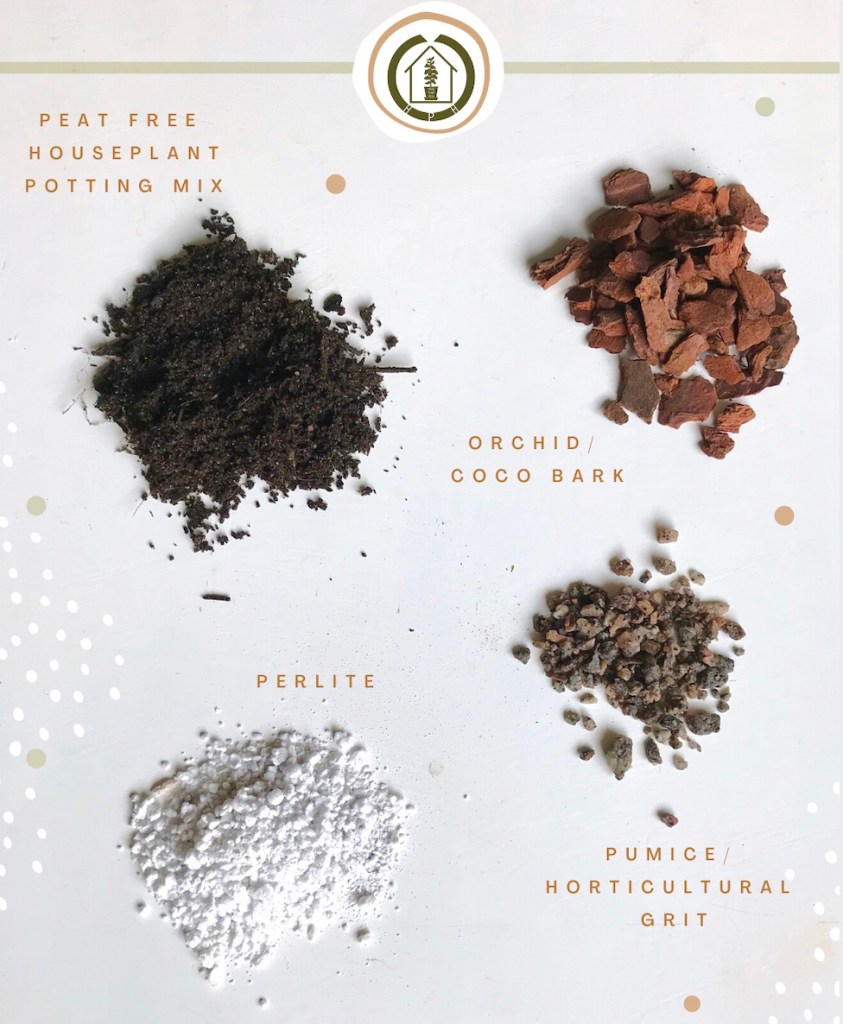
Homalomenas enjoy moisture but hate compacted soil. The best mix provides air pockets while holding gentle moisture.
Recommended Soil Mix
– 40% coco coir
– 30% fine bark or chunky aroid bark
– 20% perlite or pumice
– 10% horticultural charcoal
This combination ensures:
– Even moisture distribution
– Good aeration
– Protection from rot
– Long-term root development
Avoid heavy, peat-dominant potting mixes, as they compress quickly.
Fertilising
Homalomena ‘Camouflage’ is not a heavy feeder but grows better with consistent nutrition during the warm months.
Use
– Balanced liquid fertiliser at half strength
– Every 3–4 weeks in spring and summer
Avoid
– Fertilising in winter if growth slows
– Pouring undiluted fertiliser directly into dry soil
Flush the soil occasionally to prevent salt buildup.
Repotting & Growth Rate
This species grows at a moderate pace—faster than jewel Alocasias but slower than Syngoniums.
Repot When:
– Roots circle the base of the pot
– Growth noticeably slows
– Soil quality degrades
– Leaves become smaller over time
Best Repotting Practices
– Move up only one pot size
– Repot in warm seasons for quickest recovery
– Maintain similar soil structure to avoid root shock
A typical repotting interval is every 12–18 months.
Common Issues & How to Fix Them
Although Homalomena Camouflage is low-maintenance, it can show stress when conditions shift.
Yellowing Leaves
– Usually overwatering
– Reduce watering frequency
– Increase soil aeration
Drooping Without Yellowing
– Underwatering or temporary dryness
– Water thoroughly
– Check soil penetration
Fading Camouflage Pattern
– Low light
– Move closer to a window or add artificial light
Brown Tips
– Low humidity (rare)
– Overdue watering cycles
– Heavy fertiliser salts
Pest Sensitivity
This plant is naturally pest-resistant.
If pests appear, they are typically from nearby plants, not Homalomena itself.
Propagation
Propagation is simpler than many expect.
Division Method
– Remove plant from pot
– Separate clumps with intact root systems
– Pot each division into fresh mix
– Keep humidity moderate until established
Division is best done in spring or early summer.
Styling & Placement Inspiration
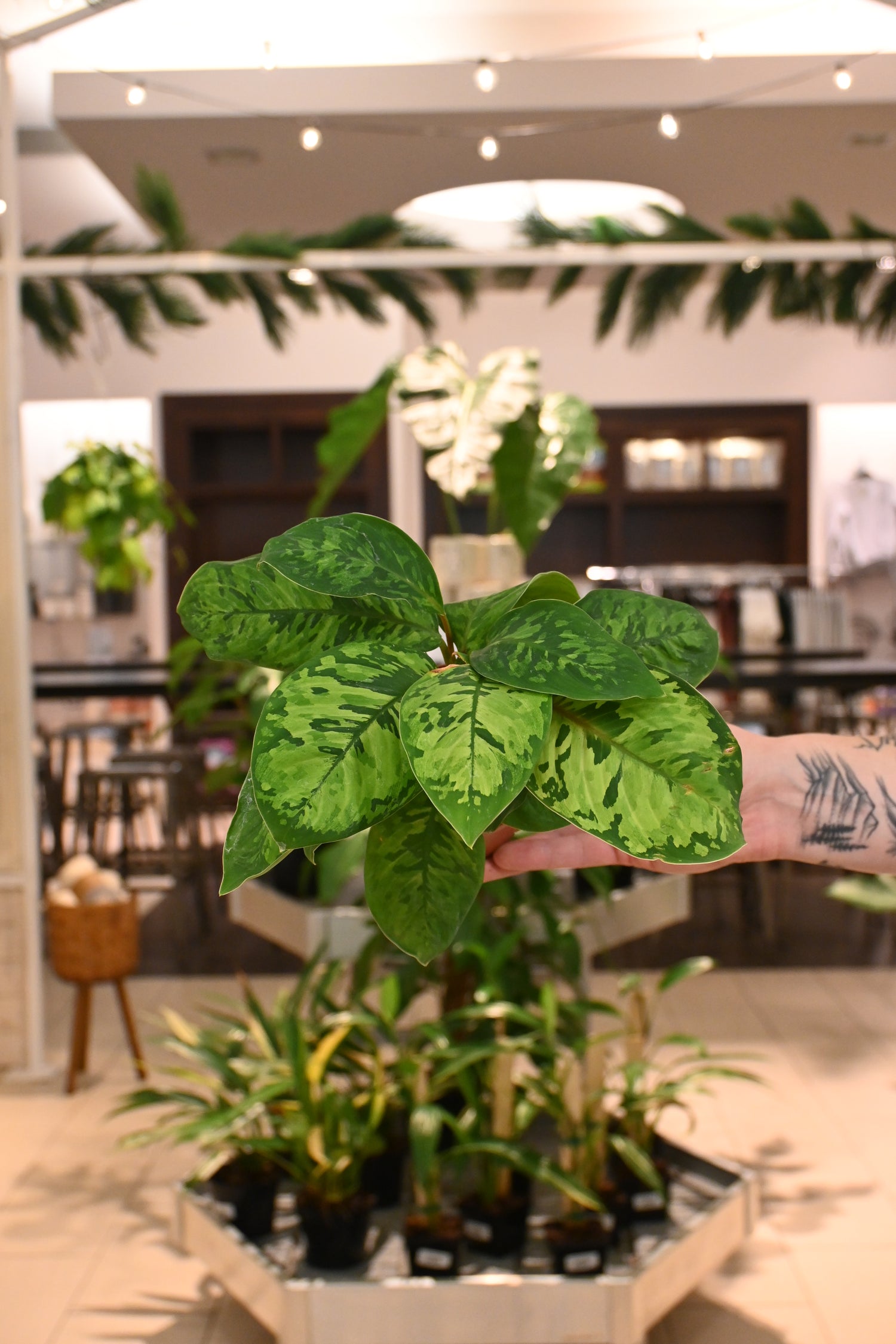

Homalomena Camouflage looks stunning in:
– Bedrooms and living rooms
– Low-light offices
– Plant shelves needing texture variation
– Corners where variegated plants struggle
– Warm-toned ceramic or matte pots
Its marbled green palette pairs beautifully with terracotta, charcoal-planters, or warm-timber interiors.
Why Collectors Love Homalomena Camouflage
Collectors consistently praise this plant because:
– It is extremely easy to grow
– It adapts to nearly any room
– It remains pest-resistant and stable
– Its pattern resembles camo leaf-printing
– It doesn’t demand special conditions
– It brings texture to plant displays
– It’s much hardier than its exotic appearance suggests
It’s a rare plant that behaves like a dependable houseplant—ideal for both beginners and experts.
Final Thoughts
Homalomena ‘Camouflage’ combines durability with beauty, offering collectors a rare species that thrives effortlessly in typical household environments. With its stable growth, forgiving nature, and striking camouflage patterning, it’s one of the most rewarding plants to keep.