
Dark, metallic foliage with sculpted texture — a compact Alocasia that thrives with consistency and rhythm.

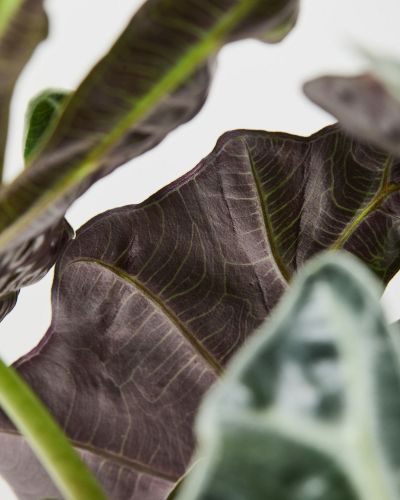
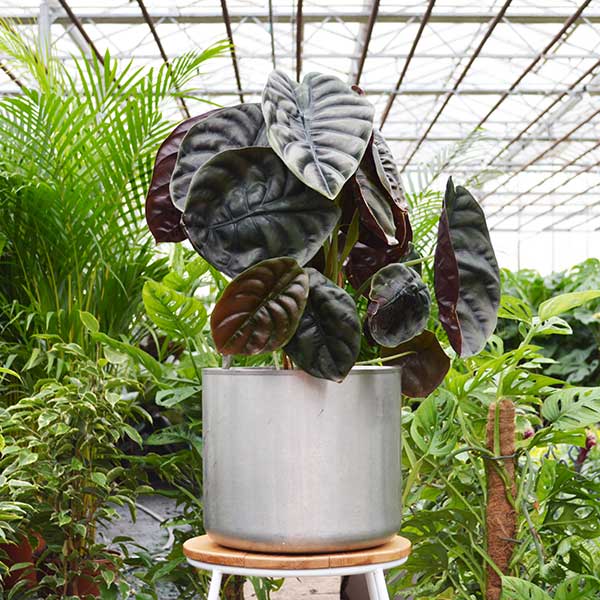
The Anthracite Jewel Alocasia is a striking member of the Jewel Alocasia group, known for its deep charcoal–to–gunmetal leaves, embossed venation, and compact growth habit. Unlike larger Alocasia species, this one stays small, structured, and architectural — perfect for shelves, desks, and curated plant corners.
Despite its dramatic appearance, the Anthracite Jewel is surprisingly approachable once you understand its rhythm. Like all Jewel Alocasia, it grows in cycles, responding strongly to light, moisture, and seasonal changes. This guide gives beginners a clear and confidence-building path to keeping this stunning species healthy and thriving.
Why It’s Great for Collectors
Jewel Alocasia are prized for their texture, compactness, and unique colours. The Anthracite stands out with its metallic sheen and strong leaf structure.
Collector Advantages
– Compact size ideal for small spaces
– Thick, durable leaves compared to other Alocasia
– Deep velvet–metallic colouring
– Architectural presence with minimal footprint
– Responds predictably to proper care
– Excellent candidate for humidity scaffolding setups
It’s a plant that looks rare, feels rare, but is manageable for beginners willing to learn a consistent routine.
Light Requirements


Light is essential for maintaining the Anthracite’s dramatic colour and crisp structure.
Ideal Light
– Bright, indirect light
– A position near an east or shaded south-facing window
– Alternatively: a quality grow light placed 30–45 cm above the plant
Too Little Light
– Leaves lose sheen
– Petioles become elongated
– New leaves grow smaller
– Colour appears muddy or faded
Too Much Light
– Pale patches or bleaching
– Crispy edges, especially on young leaves
– Stress that slows growth
Think of this species as preferring gentle brightness — similar to other velvet or jewel aroids.
Watering Needs
Watering rhythm is one of the most important parts of Anthracite Jewel care. The species loves moisture but reacts quickly to extremes.
Watering Guide
– Allow the top 40–50% of the soil to dry before watering again
– Water thoroughly until the pot drains
– Always empty excess water from trays
– Reduce watering slightly during winter or slower phases
Signs of Overwatering
– Yellowing leaves (starting from the lower ones)
– Soft, collapsing petioles
– Wet soil that stays saturated for more than 5–7 days
– Sour or swampy smell
Signs of Underwatering
– Crisp edges
– Drooping that feels papery
– Leaf surface losing tension
– Slower new leaf formation
Jewel Alocasia behave like moisture managers — they thrive when roots can drink freely but breathe deeply.
Soil & Potting Mix

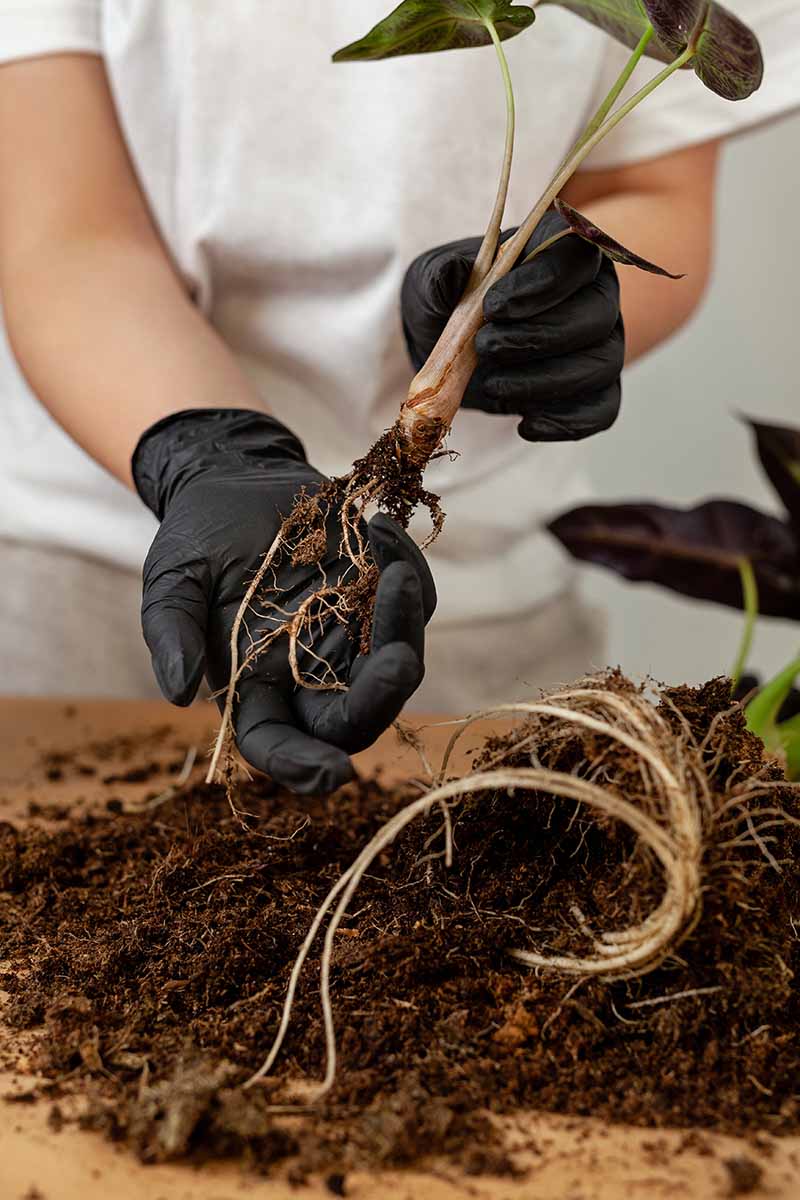
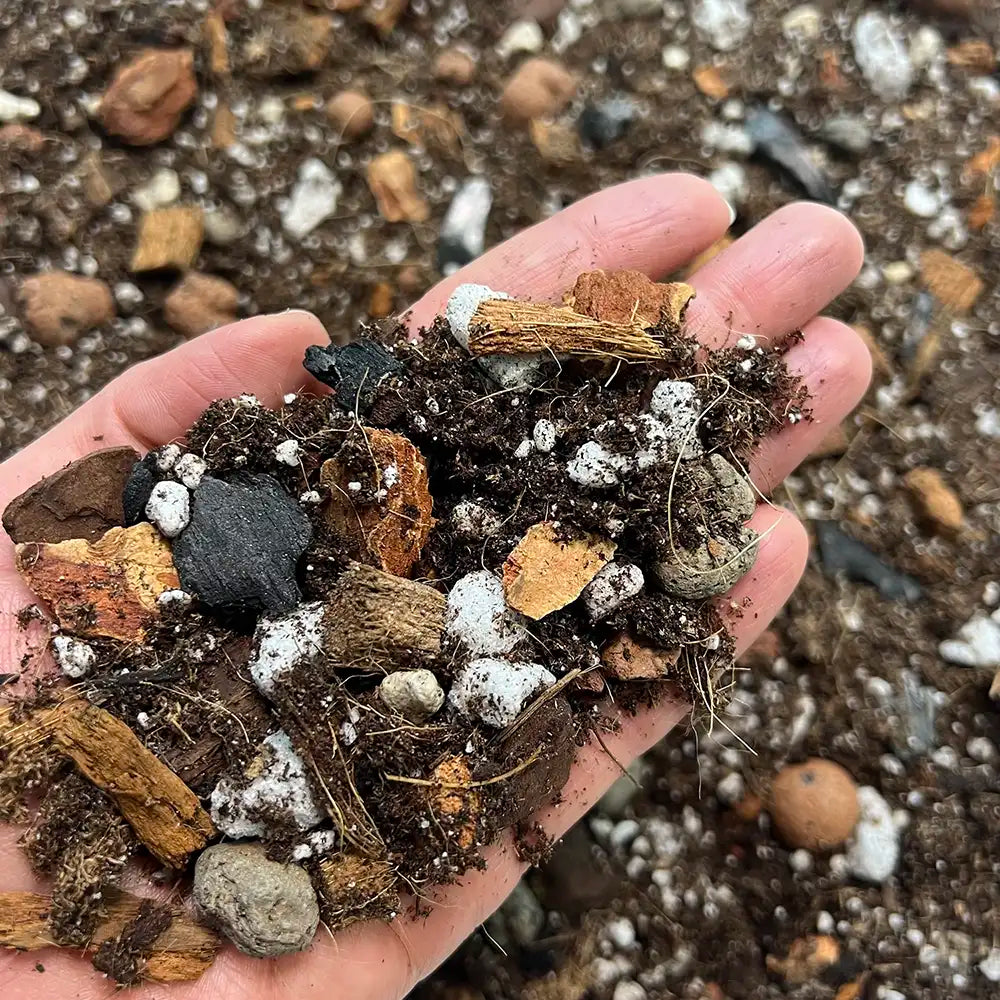
A breathable, moisture-balanced substrate is essential.
Recommended Mix
– 40% premium aroid mix
– 30% perlite
– 20% coco coir
– 10% bark or pumice
This creates a structured base that:
– Holds moisture evenly
– Prevents compaction
– Fully airs the root system
– Reduces the risk of rot
Potting Tips
– Choose a pot only 2–4 cm larger during repotting
– Ensure strong drainage holes
– Refresh soil every 12–18 months or sooner if compacted
Humidity & Temperature
Jewel Alocasia, including Anthracite, appreciate elevated humidity but do not require greenhouse levels.
Humidity Range
– Ideal: 60–75%
– Acceptable: 50–55%
– Avoid dips below 45% for extended periods
Temperature Range
– Best: 20–28°C
– Minimum: 16°C
– Sensitive to drafts and sudden temperature drops
Stable humidity supports the velvety texture and prevents crisping, especially on new leaves.
Growth Pattern & Lifecycle Rhythms


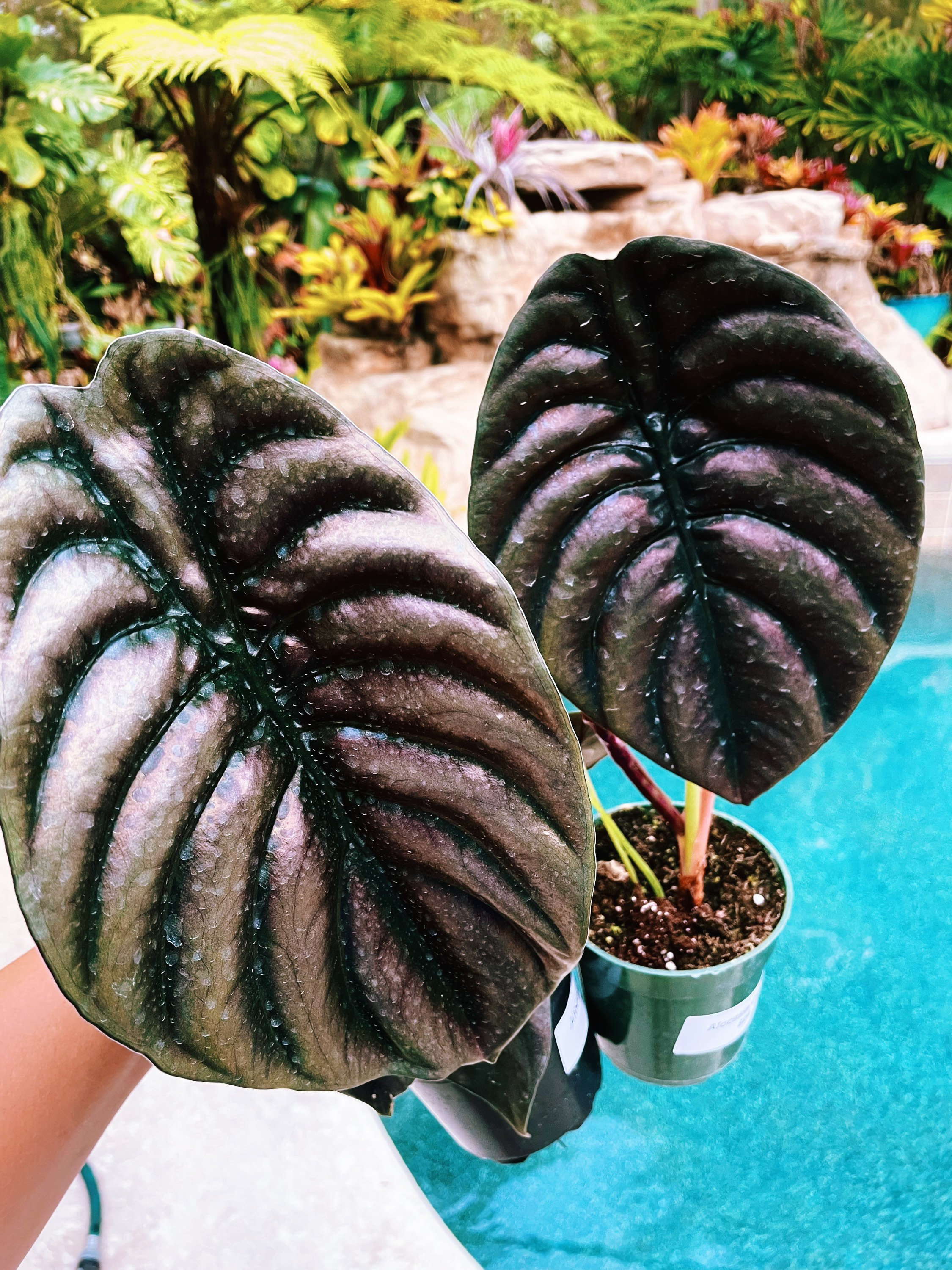
Anthracite Jewel Alocasia grows in cycles, which is normal for the species.
During Active Growth
– New leaf emerges every 3–6 weeks
– Petioles thicken and stand upright
– Soil dries faster
– Plant may produce corms or small offsets
During Slowdown (Autumn–Winter)
– Leaves may shrink slightly
– Growth pauses or slows
– Watering needs decrease
– Older leaves may yellow and drop
Understanding the Corm System
Like all Alocasia, the Anthracite stores energy in its corm. This means:
– A leaf drop does not equal decline
– Dormancy is not plant death
– Strong roots = strong recovery
Reading these rhythms reduces stress for both plant and grower.
Feeding & Fertiliser
The Anthracite Jewel is a moderate feeder.
Fertilising Plan
– Use a gentle, balanced liquid fertiliser
– Feed every 3–4 weeks during active growth
– Stop fertilising during winter or dormancy
– Avoid over-feeding — excess salts harm delicate roots
Signs of Nutrient Needs
– Slow new leaf formation
– Pale or thin leaves
– Lack of sheen
Healthy soil and light supplementation typically resolve this.
Propagation Overview

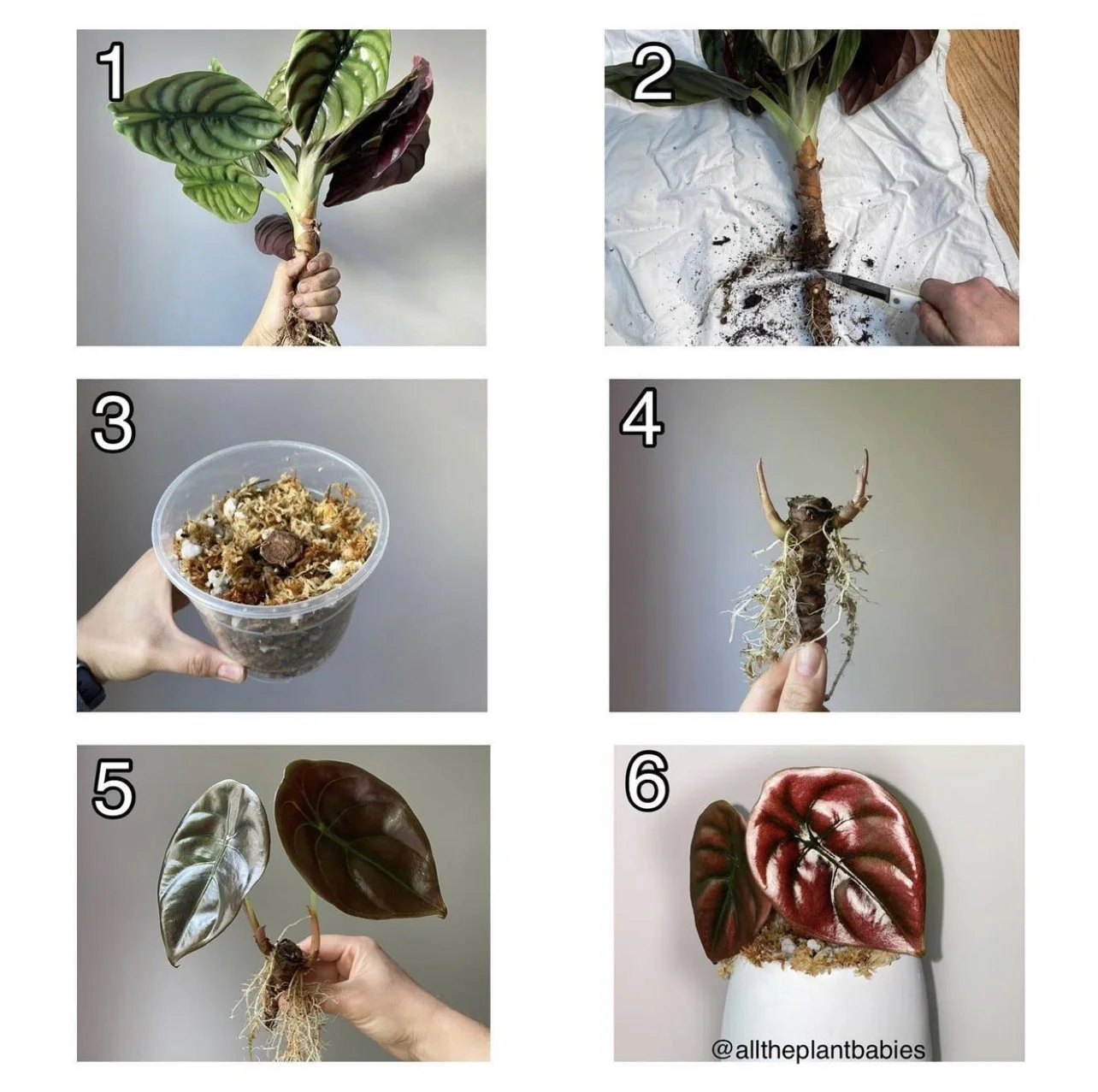
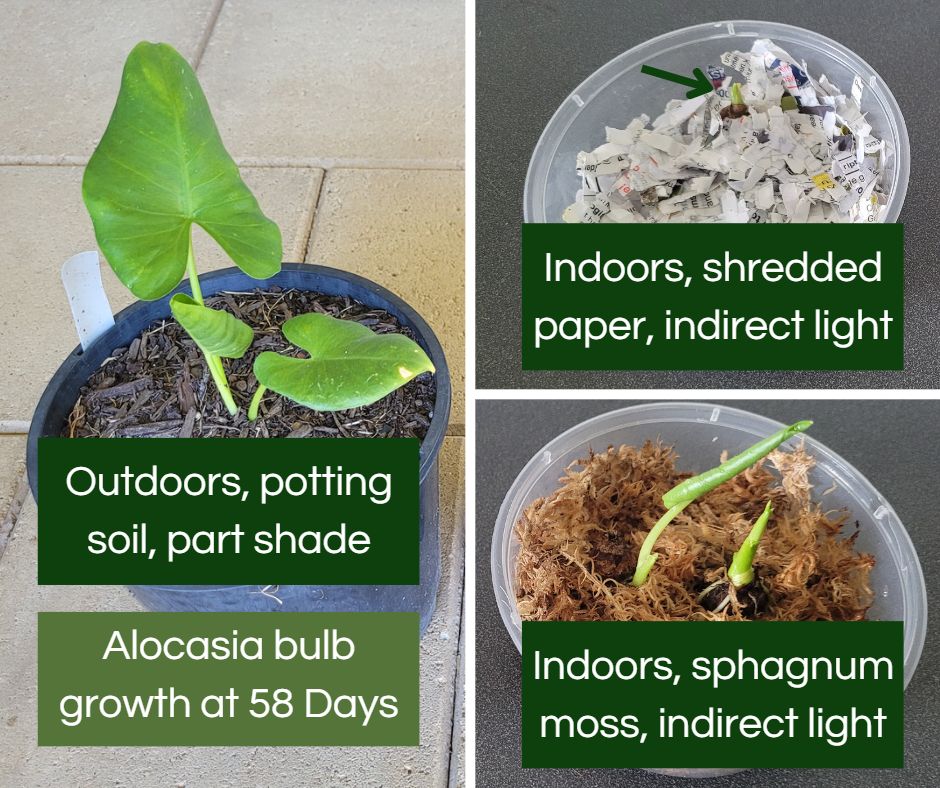
The Anthracite Jewel Alocasia can be propagated through:
1. Corms
– Often found around the root system
– Can be grown in moss, perlite, or small humidity boxes
– Require warmth and gentle moisture
2. Division
– When the plant forms multiple crowns
– Best done during active growth
– Each division should have its own root system
Propagation is best left for warmer months, when the parent plant recovers quickly.
Common Issues & How to Fix Them
1. Yellowing Leaves
– Usually normal leaf cycling
– Check watering rhythm
– Ensure plant isn’t in low light
2. Brown Edges or Spots
– Low humidity
– Strong direct sunlight
– Inconsistent watering
3. Drooping Leaves
– Underwatering or cold temperature
– Occasionally a sign of repot stress
– Check soil hydration pattern
4. Spider Mites
Velvet and jewel leaves can attract mites in dry environments.
Increase humidity and treat early with a gentle insecticidal soap.
Why Collectors Love the Anthracite Jewel
– Compact but visually striking
– Deep metallic colour rarely found in other species
– Textured leaves that look sculpted
– Predictable care needs once routine is established
– Excellent addition to Jewel Alocasia collections
It’s a plant that rewards attention to detail. Each new leaf emerges slightly different — darker, shinier, or more structured — giving collectors a sense of progression and artistry.
Collector Notes
The Anthracite Jewel Alocasia thrives under three conditions: consistent light, controlled moisture, and stable humidity. When these are met, it becomes one of the most reliable jewel aroids for beginners and collectors alike.
Its size makes it perfect for modern indoor displays, and its resilience makes it a wonderful introduction to the Alocasia genus.